
Can You Go Through a Carwash with a Tonneau Cover? What Happens to Soft vs Hard Covers
Can you go through a carwash with a tonneau cover? The short answer is yes for most covers, but the type of wash and the cover design both matter more than most owners realize.
We've tested dozens of covers through automated bays, and the difference between a touchless wash and a brush tunnel can mean the difference between a clean truck and a damaged tonneau. This guide walks through what happens to soft roll-ups, hard folding covers, and retractable units in each wash type, plus the specific prep steps that prevent edge tears and latch failures.
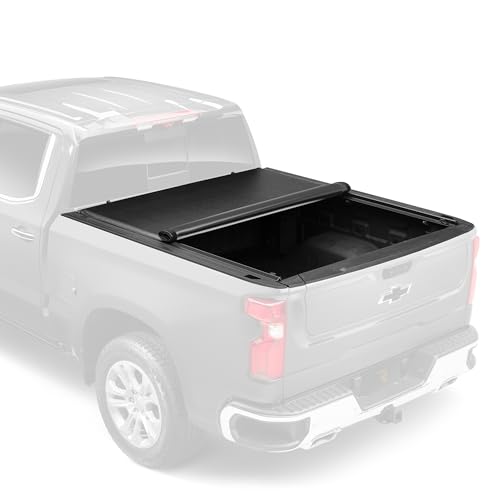
Touchless Washes vs Brush Tunnels: Why the Wash Type Decides Cover Safety
Touchless carwashes use high-pressure water and detergent only — no rotating brushes contact the cover. Every tonneau we’ve run through touchless bays came out undamaged, regardless of material.
Brush tunnels are a different story. Soft vinyl roll-ups can catch on stiff nylon bristles, especially if a seam or edge isn’t perfectly flush. Hard folding covers handle brushes better because the aluminum panels don’t flex under pressure, but older brush systems with metal guide rails have been known to scratch painted finishes.
When a Brush Wash Is Safe
If your cover sits completely flush when closed and every latch is engaged, a modern foam-brush tunnel usually won’t cause problems. The risk comes from covers that bow slightly in the center or have loose edge seals — those create catch points where a brush can lift the fabric or fold a panel edge.
Soft Roll-Up Covers: Prep Steps That Prevent Edge Tears
Soft vinyl and canvas roll-ups are the most vulnerable design in a brush wash. The fabric is tensioned when closed, but it’s still flexible enough to ripple under rotating bristles.
Before entering any carwash, walk around the truck and confirm every snap or Velcro edge seal is seated. A single loose corner can let a brush wedge under the cover and peel it back.
Touchless Is the Default for Soft Covers
We recommend touchless-only washes for soft roll-ups. If a brush tunnel is your only option, remove the cover entirely or hand-wash the truck — the ten-minute inconvenience is cheaper than replacing a torn panel.
Readers weighing soft vs hard designs often factor in wash convenience — our roll-up and tri-fold comparison covers how daily habits like carwash frequency influence which format fits best.
Hard Folding and Retractable Covers: What the Rigid Panels Change
Hard folding covers — tri-folds and bi-folds with aluminum or fiberglass panels — handle both touchless and brush washes without the edge-tear risk that soft covers face. The rigid surface doesn’t ripple under brush pressure.
Retractable covers are similar. The canister housing protects the rolled fabric, and the exposed section when closed is rigid enough that brushes slide over it.
The One Hard-Cover Weakness
Panel seams between folding sections can trap soap or wax residue if the wash uses thick foam. A quick rinse at home after the wash clears it, but skipping that step lets the residue dry into white streaks along the hinge lines.
Some owners avoid carwashes entirely after installing a cover, citing risk — but whether a tonneau fits your habits depends partly on how often you’re willing to hand-wash instead.
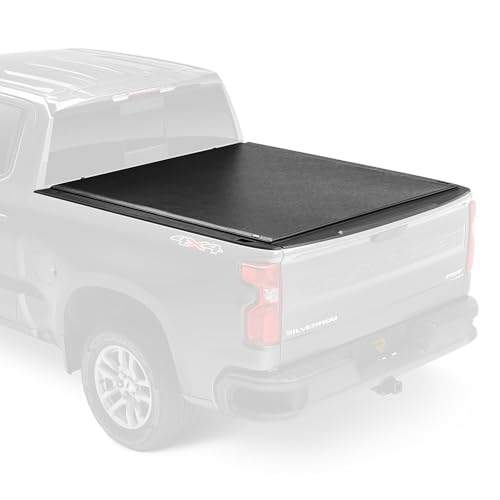
Latch and Seal Checks Before Every Wash
Every carwash type — touchless or brush — puts pressure on the cover’s latch points and edge seals. A latch that’s 90% engaged will pop open under high-pressure spray.
Before entering the bay, tug on each corner of the cover to confirm it’s seated. If a latch releases with light hand pressure, it will definitely release under a wash nozzle.
Tail Light Area Leaks
The seals near the cab and tailgate see the most spray force. If water has been seeping into the bed after rainstorms, a carwash will expose the exact same gap — sometimes more dramatically.
Inspect those seals every few months for compression set or cracking. Replacing a worn seal costs fifteen dollars and takes five minutes; ignoring it means a soaked bed after every wash.
Matching Your Wash Routine to Your Cover Type
The cover design you choose shapes how you’ll wash your truck for the next five years. Soft roll-ups require touchless-only washes or hand cleaning, while hard folding and retractable covers handle both touchless and foam-brush tunnels without prep beyond a latch check.
If your weekly routine already includes a brush-tunnel membership, factor that into your cover decision before you buy. A design that forces you to hand-wash every week is the wrong design, no matter how well it performs in other areas.
Inspect latches and seals every few months, and always tug-test before entering the bay. Those two habits prevent the majority of carwash damage we see on customer trucks.
Common Questions About Tonneau Covers and Carwashes
Yes, but only touchless washes are safe for soft roll-ups. Brush tunnels can catch on fabric edges and cause tears, especially if a snap or Velcro seal isn't fully seated.
If you use a brush wash regularly, consider switching to a hard folding cover or removing the soft cover before each wash.
Modern foam-brush systems rarely scratch hard tonneau panels, but older tunnels with metal guide rails or stiff nylon bristles can leave marks on painted aluminum.
Touchless washes eliminate the risk entirely. If your local tunnel uses foam brushes and you've confirmed the rails are plastic-coated, hard covers generally come out undamaged.
Not for touchless washes — every cover type handles high-pressure water without damage. For brush tunnels, soft roll-ups should be removed or skipped in favor of hand washing.
Hard folding and retractable covers can go through brush washes as long as every latch is engaged and the seals are intact.
An open latch lets water flood the bed, and in a brush tunnel the cover can flip backward and tear or bend panels. The rotating brushes will catch the loose edge and pull it farther open.
Always tug-test every latch before entering the wash. If one releases with light hand pressure, it will fail under spray or brush contact.
High-pressure spray doesn't damage healthy seals, but it will expose any existing cracks or compression set. If a seal already leaks during rainstorms, a touchless wash will push water through the same gap.
Replace worn seals before running the truck through a wash — a compromised seal will only get worse under repeated high-pressure cycles.