
Should I Get a Tonneau Cover? 7 Reasons Truck Owners Choose One (And When to Skip It)
If you've been asking yourself whether you should get a tonneau cover, you're not alone. It's one of the most common questions we hear from truck owners weighing cost against real-world benefit.
The short answer: a tonneau cover makes sense for most drivers who want better fuel economy, cargo security, and weather protection — but it's not the right fit for everyone. We'll walk through the actual advantages, the situations where a cover might not be worth it, and what to consider before you buy.
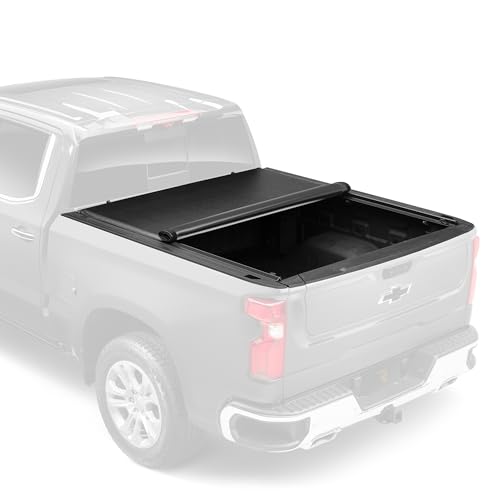
Fuel Savings: Real Numbers from Highway Driving
A tonneau cover reduces aerodynamic drag by smoothing airflow over your truck bed, which can improve highway fuel economy by 5-10% depending on your truck’s shape and driving speed. That translates to roughly 1-2 mpg on most full-size pickups at sustained highway speeds above 55 mph.
The effect is most noticeable on longer road trips where wind resistance accounts for a larger share of total fuel consumption. Around-town stop-and-go driving sees minimal benefit because aerodynamic drag plays a smaller role at low speeds. If you commute primarily on highways or take frequent long hauls, the fuel savings can offset the cover’s cost within a year or two.
Cargo Security and Weather Protection
An open bed broadcasts your cargo to anyone walking past your truck in a parking lot. A tonneau cover hides tools, equipment, and personal items from view, which removes the most common incentive for opportunistic theft.
Hard covers with locking mechanisms offer the strongest deterrent, while soft covers provide basic concealment. Neither is a vault — determined thieves can cut through fabric or pry latches — but most smash-and-grab incidents target visible valuables, and a closed cover eliminates that visibility.
Weather Sealing
Most tonneau covers also shed rain and snow, keeping your bed dry during storms. Quality models use weather seals along the rails and tailgate to prevent water intrusion, though no cover is completely waterproof. If you haul gear that can’t get wet — camping equipment, electronics, or jobsite materials — a cover with tight seals saves you from scrambling with tarps every time the forecast turns.
Resale Value and Truck Bed Usability
Tonneau covers are among the most sought-after accessories in the used truck market. Buyers looking at pre-owned pickups actively search for listings that include a quality cover because it signals the previous owner cared about protecting the bed and cargo.
A well-maintained cover can add several hundred dollars to your truck’s resale value, and it often helps your listing stand out in a crowded market. The cover also protects the bed liner and paint from UV fading and debris damage, preserving the truck’s overall condition.
Daily Access Trade-Offs
The biggest drawback is reduced bed access. If you frequently haul tall cargo like furniture, lumber, or dirt bikes, a permanent cover becomes an obstacle you’ll remove and reinstall constantly. Roll-up and tri-fold designs solve this by opening partially or fully in seconds, but they still add a step compared to an open bed.
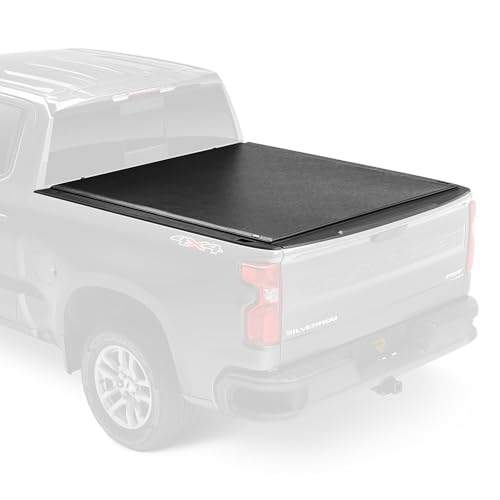
When a Tonneau Cover Doesn't Make Sense
Skip a tonneau cover if you regularly haul oversized cargo that won’t fit under a closed bed. Contractors who carry tall toolboxes, landscapers hauling mowers and equipment, or weekend warriors towing ATVs will find themselves fighting the cover more than using it.
Similarly, if your truck serves as a dedicated work vehicle with minimal highway driving, the fuel savings won’t justify the upfront cost. A cover makes the most financial sense when you’re splitting duty between commuting and occasional cargo hauling.
Material and Style Choices
Once you’ve decided a cover fits your needs, the next question is hard versus soft construction. Hard covers offer superior security and durability but cost more and add weight, while soft covers are lighter, easier to remove, and gentler on your budget. Your choice depends on whether you prioritize theft resistance or quick bed access for varied cargo.
Making the Decision for Your Truck
The question of whether you should get a tonneau cover comes down to how you actually use your truck. If you drive highways regularly, haul cargo you want protected from weather and theft, or plan to sell your truck in a few years, a cover delivers clear value.
If your bed stays full of oversized work equipment or you rarely leave the city, the benefits shrink and the access trade-offs grow. Take an honest look at your weekly routine — the answer usually becomes obvious once you map out how often you’d actually use the cover versus how often you’d be wrestling it open.
Common Questions About Tonneau Cover Benefits
Yes, but the improvement is modest and depends on your driving. Highway speeds above 55 mph show the clearest benefit — typically 1-2 mpg or a 5-10% gain on sustained trips. City driving sees almost no change because aerodynamic drag is minimal at lower speeds.
No cover is fully waterproof, but quality models with tight weather seals keep out most rain and snow. Expect occasional minor moisture during heavy storms or car washes, especially along the tailgate seal. For sensitive cargo, pair your cover with waterproof storage bins.
Yes, though access depends on the cover style. Tri-fold and roll-up designs open partially or completely in seconds for loading. Hinged one-piece covers require full removal for tall cargo, which takes a few minutes and a second person for heavier models.
If your truck serves mainly as a commuter vehicle with occasional light hauling, a cover still makes sense for fuel savings and protecting the bed from UV and weather damage. The resale value boost alone often justifies the investment even if you never haul sensitive cargo.
Hard covers offer better security, longer lifespan, and stronger weather sealing, but they cost significantly more and add permanent weight. Choose hard if you regularly leave valuable tools or equipment in your bed overnight. Soft covers are ideal for occasional cargo protection and easier bed access.
Quality soft covers last 5-7 years with regular cleaning and UV protectant application. Hard covers often exceed 10 years because aluminum and fiberglass resist fading and cracking. Hinges, latches, and seals are the first components to wear and are usually replaceable without buying a new cover.