
Roll-Up vs Tri-Fold Tonneau Cover: Daily Use, Storage & Bed Access Compared
Choosing between a roll-up and a tri-fold tonneau cover isn't about picking the universally superior design—it's about matching the mechanism to how you actually use your truck bed. Both styles protect cargo and improve fuel economy, but they differ sharply in daily access patterns, storage footprint when open, and installation complexity.
We build both types at The Tonneau Cover, and we see the same question surface repeatedly: which is better roll up or tri fold tonneau cover for someone who hauls gear three days a week versus someone who opens the bed once a month? The answer hinges on whether you prioritize instant partial access or full bed clearance, and whether you're willing to trade a few extra seconds of setup time for a cleaner stowed profile.
Access Speed and Partial-Opening Scenarios
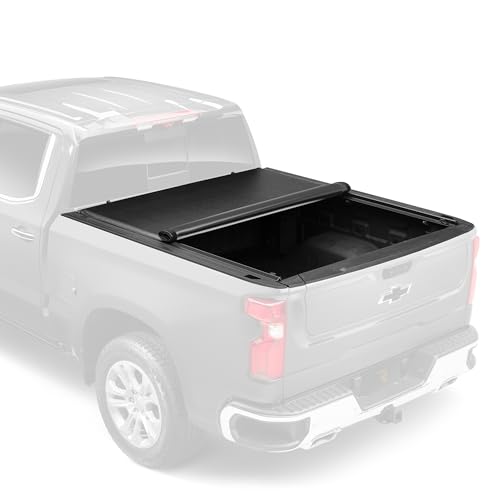
Roll-up covers excel when you need to grab something from the front of the bed without fully exposing the entire cargo area. You release two clamps, roll the vinyl or fabric toward the cab, and secure it with straps—usually under 15 seconds for partial access.
Tri-fold designs require you to unlatch and fold back one or more panels. Opening just the rear third takes roughly the same time as a roll-up, but accessing the front half of the bed means folding two panels, which adds 10–20 seconds depending on hinge stiffness and latch design. If you frequently pull tools or groceries from the front corner near the cab, the roll-up’s continuous motion feels faster in practice.
For drivers who need full bed access weekly—loading plywood, hauling a dirt bike, or picking up appliances—the tri-fold’s ability to fold completely against the cab window creates unobstructed overhead clearance that a rolled bundle at the front of the bed cannot match. The tri-fold’s segmented structure also means you can leave the rear panel closed while the front two fold open, maintaining partial weather protection during loading.
Storage Footprint When Open
A fully opened roll-up cover stows as a 10- to 14-inch-diameter bundle behind the cab, secured with straps or a canister. That bundle sits on top of the bed rails and takes up roughly 12–16 inches of front bed length, which matters if you’re sliding in an 8-foot board or a kayak that needs to rest flat against the bed floor.
Tri-fold covers, when fully open, fold into a compact stack against the rear window—typically 6–8 inches thick and 4–6 inches tall. This stack sits entirely above the bed rails and consumes almost zero bed length, leaving the full 5.5- or 6.5-foot bed floor available. For anyone hauling lumber, ladders, or full-length cargo regularly, that extra foot of usable bed length is the deciding factor.
If you rarely open the cover all the way and mostly need quick access to smaller items, the roll-up’s bundle doesn’t cost you anything. But if your truck doubles as a work vehicle and you load oversized items monthly, the tri-fold’s ability to disappear from the bed floor justifies the slightly slower opening process. Drivers comparing specific models often review our Access Lorado vs TruXedo TruXport analysis to see how roll-up canvas tension affects stow diameter, or check the Gator EFX vs SFX hard vs soft tri-fold comparison to understand how panel material changes fold thickness.
Installation Complexity and Hardware Requirements
Initial Setup
Roll-up covers typically clamp onto the bed rails with a series of C-clamps or hook-and-loop fasteners, requiring no drilling. Installation averages 20–30 minutes and involves positioning the side rails, tensioning the fabric, and securing the tailgate seal. The lack of permanent mounts makes them ideal for lease vehicles or anyone who swaps covers seasonally.
Tri-fold covers use a similar clamp system for the front and side rails, but the hinged panels add mechanical complexity. You must align three separate panels, ensure the hinges articulate smoothly, and adjust the latch tension so the rear panel seals against the tailgate without binding. Installation runs 30–45 minutes, and misalignment of a single hinge can cause the cover to sit crooked or fail to latch.
Long-Term Maintenance
Roll-up covers need periodic re-tensioning as the fabric stretches over time—usually every 6–12 months depending on UV exposure and how often the cover is rolled. The canister or strap system also requires occasional inspection to ensure the rolled bundle doesn’t sag into the bed.
Tri-fold hinges are the primary wear point. Aluminum hinges on hard-panel tri-folds rarely fail, but plastic pivot points on budget soft tri-folds can crack in freezing temperatures. Latch springs also weaken after 2–3 years of daily use, leading to incomplete sealing or panels that pop open on rough roads. Buyers concerned with seal durability in wet climates often reference our Hyundai Santa Cruz waterproof tonneau cover guide, which breaks down seal types and bed gap tolerances across both roll-up and tri-fold designs.
Weight, Aerodynamics, and Fuel Economy Claims
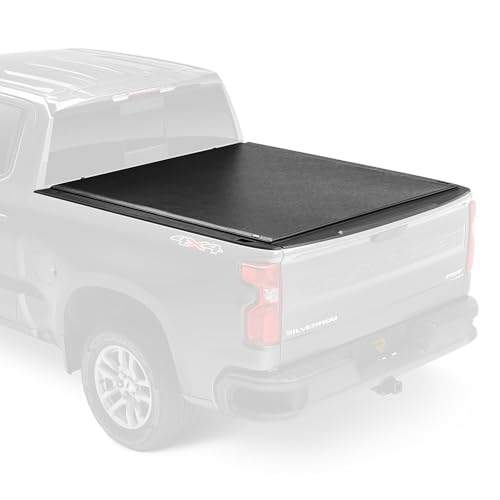
Roll-up covers weigh 15–25 pounds for soft vinyl or fabric models, creating minimal additional load. The low profile—typically 1–2 inches above the bed rails when closed—produces measurable aerodynamic benefit at highway speeds. Independent testing by the U.S. Department of Energy shows that any tonneau cover reduces drag compared to an open bed, with low-profile designs offering an additional 1–2 percent improvement over taller folding models.
Tri-fold covers range from 30–50 pounds for soft models and 50–70 pounds for hard-panel aluminum or fiberglass versions. The extra weight is negligible for payload capacity, but the taller profile—often 3–4 inches above the rails due to the folded panel stack—creates slightly more aerodynamic disruption. Real-world fuel economy differences between a low-profile roll-up and a hard tri-fold are marginal, usually under 0.5 MPG in highway driving, but the visual profile matters if you’re pairing the cover with a headache rack that mounts accessories like light bars or tie-down anchors behind the cab.
For daily driving, both styles offer comparable wind noise and fuel savings. The meaningful distinction is whether you value the roll-up’s lower profile for stacking additional bed-mounted gear, or the tri-fold’s rigid surface for walking on the cover or mounting roof racks.
Matching Cover Mechanics to Your Real Usage Pattern
The better choice between a roll-up and a tri-fold tonneau cover comes down to how often you need full bed clearance versus partial front-of-bed access. Roll-ups handle quick daily access faster and cost less upfront, while tri-folds deliver unobstructed bed floors for oversized cargo and a more rigid weather seal.
If you grab tools or groceries from the bed three times a week but only haul plywood twice a year, the roll-up’s speed advantage compounds over time. If you load motorcycles, appliances, or lumber monthly and rarely open the cover otherwise, the tri-fold’s ability to disappear from the bed floor justifies the slightly longer opening process. Both styles work—the question is which one works the way you actually use your truck.
Common Questions About Roll-Up and Tri-Fold Tonneau Covers
Roll-up covers win for daily partial access because you can release two clamps and roll back just the section you need in under 15 seconds. Tri-fold designs require folding entire panels, which adds time.
If you need full bed access daily, the tri-fold's ability to fold completely against the cab and clear the bed floor may offset the extra seconds. It depends on whether you pull items from the front corner more often than you load full-length cargo.
Hard-panel tri-folds with rubber bulb seals typically shed water better than soft roll-up covers, especially along the side rails where tension can create small gaps. Soft tri-folds perform similarly to roll-ups because both rely on fabric or vinyl compression.
No tonneau cover is perfectly watertight—tailgate seals and drain channels matter more than cover type. Both styles keep 95 percent of rain out in normal driving conditions, but standing water or pressure washing will find gaps regardless of design.
Yes. Tri-fold covers lift off the bed rails as a single assembly in 60–90 seconds once you release the clamps, and most models weigh under 70 pounds so one person can handle removal.
Roll-up covers require you to unroll the fabric, detach the side rails, and remove the canister or strap system—typically 3–5 minutes. If you haul a camper shell or dirt bike monthly, the tri-fold's quick-release design is worth the trade-off in daily access speed.
Hard-panel tri-folds produce almost no flutter or wind noise because the rigid aluminum or fiberglass resists movement. Soft roll-up covers can develop a low hum or vibration at speeds above 65 MPH if the fabric isn't tensioned correctly.
Soft tri-folds fall between the two—less flutter than a roll-up due to the segmented structure, but more potential for noise than a hard tri-fold. Proper installation and periodic re-tensioning eliminate most wind noise on both styles.
Soft roll-up covers degrade faster in high-UV climates because the fabric is under constant tension, leading to stretch and fading after 3–5 years. Vinyl-coated models last longer than untreated fabric.
Hard tri-fold panels rarely wear out—the aluminum or fiberglass can last 10+ years. Soft tri-folds face similar UV degradation as roll-ups, but the segmented design spreads tension across hinges instead of one continuous sheet, which can extend fabric life by 1–2 years.
Roll-up covers win here because the release clamps and straps are larger and easier to grip with insulated gloves. Tri-fold latches, especially small push-button or lever designs, require more finger dexterity and can freeze shut in sub-zero temperatures.
Some tri-fold models use oversized rotary latches that work with gloves, but the standard latch mechanisms are harder to manipulate than a simple clamp-and-roll system.