
Who Makes the Best Tonneau Cover? What to Look for Beyond the Brand Name
Who makes the best tonneau cover? It's one of the most common questions we hear from truck owners, and the honest answer is: there isn't one universal 'best' manufacturer.
The right brand for you depends on what you haul, how you use your truck bed, your climate, and whether you prioritize security over quick access. Some manufacturers excel at weatherproof soft covers, while others lead in heavy-duty retractable designs. We'll walk you through what separates the top makers and how to match their strengths to your actual needs.
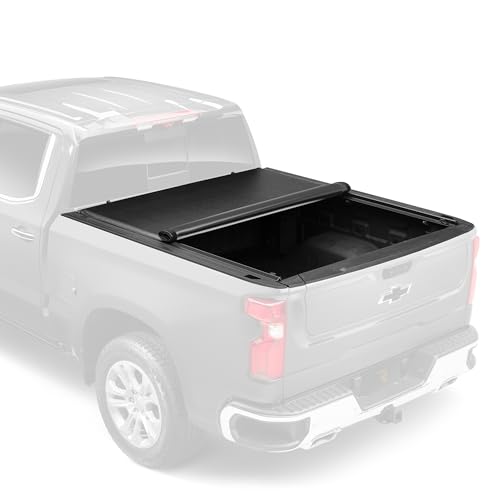
What Defines a Quality Tonneau Cover Manufacturer
A quality tonneau cover maker doesn’t just slap a logo on generic hardware. They engineer fitment systems specific to each truck model year, publish torque specs for clamp placement, and stock replacement parts for covers sold years ago.
Look for manufacturers that list detailed installation manuals online, not just a single generic PDF. The best brands test their covers in real-world conditions — salt spray chambers for coastal climates, UV exposure labs for sun fade, and dynamic load testing that simulates years of open-close cycles. Warranty length matters, but so does how the company handles claims: some require photos and proof of maintenance, while others replace parts on request.
The materials used in seals and latches reveal more than marketing copy. High-quality tri-fold soft covers use marine-grade vinyl with reinforced stitching at fold points, not the thinner fabric that cracks after one winter. Metal frame components should specify aluminum alloy grade or steel gauge, not just ‘powder-coated metal.’
How Fitment Accuracy Separates the Leaders
Generic ‘universal fit’ covers are the clearest sign of a budget manufacturer cutting corners. Top-tier brands release model-specific versions within weeks of a new truck hitting dealerships, because bed rail profiles change between generations and even trim packages.
Poor fitment isn’t just cosmetic. Gaps along the cab side let water pool against your tailgate seal, and clamps that don’t align with factory bed rail channels create stress points that crack the rails over time. The best manufacturers maintain digital databases of bed dimensions by year, make, model, and bed length — short bed, standard, and long bed versions of the same truck often require different brackets.
Some brands go further and offer fitment guarantees with detailed compatibility charts that account for aftermarket bed liners and spray-in coatings. If a manufacturer’s product page just says ‘fits most trucks,’ expect problems.
Warranty Support and Parts Availability
A five-year warranty sounds impressive until you need a replacement latch in year three and the manufacturer no longer stocks parts for your cover generation. The strongest brands maintain parts inventory for at least seven years and publish exploded diagrams showing every component’s part number.
Warranty terms vary widely by manufacturer. Some cover frame defects and fabric tears but exclude UV fade and ‘normal wear’ — a clause broad enough to deny most claims. Others offer prorated coverage where you pay an increasing percentage after year two. The best warranties are non-prorated for at least three years and include free replacement hardware for common failure points like striker plates and clamp assemblies.
Response time matters as much as coverage. Top manufacturers ship replacement parts within 48 hours of claim approval, while budget brands may take weeks to even reply to emails. Check recent customer service reviews, not just the warranty certificate PDF.
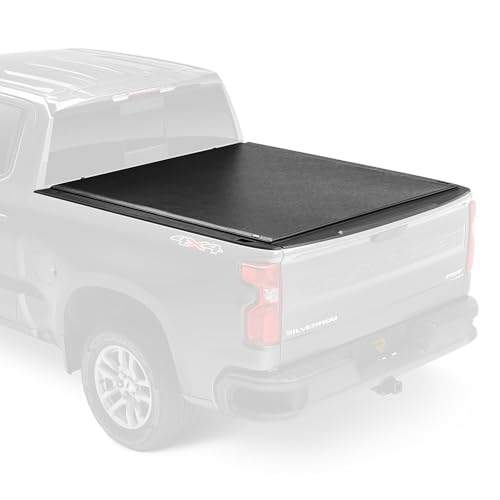
Comparing Hard-Shell Versus Soft-Top Specialists
Some manufacturers focus exclusively on one cover type and do it exceptionally well, while others offer full product lines with uneven quality across categories. Hard-shell tonneau specialists tend to excel at locking mechanisms and hinge durability, because those are the components that fail first under repeated use.
Soft-top specialists invest in fabric technology — multi-layer vinyl laminates with UV inhibitors, rot-resistant thread, and reinforced corner gussets. Some retractable and roll-up designs use proprietary rail extrusions that eliminate the need for separate clamps, reducing leak points.
If you haul gear in all weather and need serious security, a hard-shell specialist will outperform a soft-top maker’s attempt at an aluminum panel cover. If you want lightweight quick access and plan to remove the cover seasonally, a soft-top specialist’s tri-fold will be better engineered than a hard-shell brand’s budget fabric option. Few manufacturers truly excel at both — know which type you need before choosing the brand.

Material Quality and Longevity Indicators
The difference between a three-year cover and a ten-year cover often comes down to material specifications the manufacturer doesn’t advertise. Marine-grade vinyl isn’t a regulated term, so look for actual thickness measurements — 24-ounce fabric minimum for soft covers that will see daily use.
Aluminum frames should specify 6000-series alloy or higher, which resists corrosion from road salt better than cheaper alloys. Powder coating thickness matters: a 2-mil coating will chip within a year, while 4-mil or thicker holds up to gravel and tool impacts. Steel components should list the steel grade and whether fasteners are stainless or zinc-plated — untreated hardware rusts in months in humid climates.
Hinge mechanisms are the most common failure point on folding hard covers. The best manufacturers use continuous piano hinges with sealed bearings, not individual pin hinges that flex under load. Soft cover bows (the support bars inside fabric covers) should be fiberglass or aluminum, never hollow plastic that snaps in freezing temperatures.
Choosing the Right Manufacturer for Your Truck and Use Case
The ‘best’ tonneau cover manufacturer is the one whose engineering priorities align with how you actually use your truck bed. If you need daily access and haul lightweight cargo, a soft-cover specialist with proven weatherproofing will serve you better than a premium hard-shell brand.
If security and theft prevention matter most, invest in a manufacturer known for robust locking mechanisms and tamper-resistant latches, even if that means giving up some convenience. Climate plays a huge role too — a cover engineered for northern winters may not handle desert sun as well as one designed for southern heat. For a deeper breakdown of what features matter most based on real-world needs, our guide to choosing the best tonneau cover on the market walks through prioritizing specs over brand reputation.
Don’t let brand loyalty override fit. A lesser-known manufacturer with model-specific fitment and responsive support often outperforms a household name selling universal-fit covers with vague warranties.
Common Questions About Tonneau Cover Manufacturers
Price and longevity don't always align perfectly, but there is a correlation once you move past the cheapest tier. Covers under two hundred dollars typically use thinner fabrics, weaker clamps, and generic weatherstripping that hardens within two years.
Mid-range brands often offer the best value, using quality materials with simpler designs that reduce failure points. Premium brands charge partly for advanced features like integrated lighting and remote locking, which add complexity that can actually reduce reliability. Focus on material specs and warranty terms rather than price alone.
Customer service quality varies more by the retailer or installer you buy through than by manufacturer alone. That said, manufacturers with direct-sales models and in-house support teams tend to respond faster than brands that rely on third-party distributors.
Look for brands that publish direct support phone numbers and email addresses on their websites, not just contact forms. The best indicator is publicly visible support resources — installation videos, troubleshooting guides, and downloadable part diagrams suggest a company prepared to help customers long-term rather than just make the initial sale.
Brands that specialize in covers for a single truck make or platform — Ford-only or RAM-only manufacturers — often achieve superior fitment because they can optimize every bracket and seal for that truck's exact bed geometry. They also catch running changes mid-model-year that generic brands miss.
The downside is limited selection. If you want a specific cover style those specialists don't make, you'll need to consider broader aftermarket brands. The best general aftermarket manufacturers release model-specific versions rather than universal-fit covers, closing much of the fitment gap.
Start by checking whether the manufacturer publishes actual specifications rather than marketing language. Real brands list fabric weight in ounces, aluminum alloy grades, and torque values for installation hardware.
Request an installation manual before buying — a detailed manual with part numbers and diagrams signals a manufacturer who supports their product. Check if replacement parts are available on their website and whether they list individual component prices. Manufacturers who make long-term support difficult are betting you'll replace the entire cover rather than repair it.
Look beyond warranty length to what's actually covered and what triggers a void. The best warranties cover material defects, workmanship failures, and UV fade without prorating for at least three years. Avoid warranties that exclude 'normal wear' without defining it or that require professional installation receipts for coverage.
Check whether the warranty transfers if you sell the truck. Some manufacturers tie coverage to the original purchaser only, which reduces resale value. Warranties that cover parts and labor — not just parts — save you significant money if a frame component fails and requires full reinstallation.
No single manufacturer leads in all climates. For extreme cold, look for brands that test seal flexibility below zero Fahrenheit — rubber seals that stay pliable in freezing temps prevent ice buildup that jams latches.
For desert or high-UV environments, manufacturers using solution-dyed fabrics rather than topically coated vinyl will resist fade far longer. Coastal owners need stainless steel or marine-grade aluminum hardware that won't corrode in salt air. Match the manufacturer's testing certifications to your specific climate rather than trusting generic 'all-weather' claims.