
What's the Best Tonneau Cover on the Market? How to Choose Based on Your Real Needs
There's no single best tonneau cover on the market because 'best' depends entirely on how you use your truck. A contractor hauling tools in Denver snow faces completely different priorities than a weekend camper in Southern California.
We help truck owners match cover types to real-world use cases every day. The right cover for you balances security, weather protection, access frequency, and budget—and those trade-offs shift depending on whether you're protecting cargo daily or occasionally need full bed access for oversized loads.
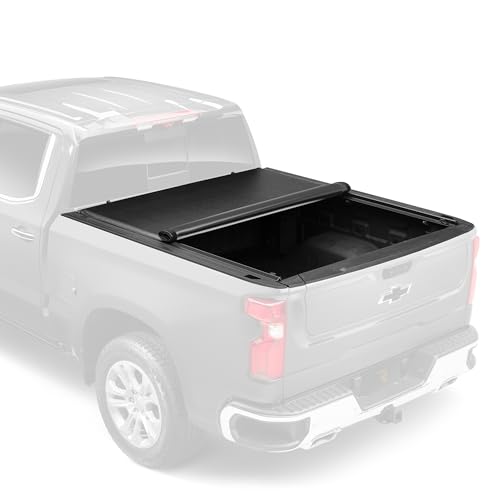
Hard vs Soft Covers: Security and Access Trade-Offs
Hard folding and retractable covers offer the highest theft deterrence because they lock with rigid panels that can’t be cut or peeled back. Soft roll-up and folding designs sacrifice some security for faster, easier access—you can open most soft covers in seconds without unlatching multiple panels.
If you’re storing equipment overnight in high-traffic areas, a hard cover with keyed locks makes sense. If you load and unload mulch bags or groceries several times a week, a soft cover’s quick-release design saves minutes on every trip. Some truck owners run a quick-release system during the week and swap to a locking hard cover for job sites.
Hard covers also handle snow load better—most are rated for 300-500 pounds evenly distributed, while soft vinyl typically tolerates light snow but needs brushing before heavy accumulation.
Material Durability: Vinyl, Aluminum, and Fiberglass in Real Conditions
Vinyl soft covers start around two hundred dollars and last 3-5 years in moderate climates, but UV exposure and temperature swings degrade cheaper materials faster. Mid-grade vinyl with reinforced stitching typically holds up 5-7 years before seams crack.
Aluminum hard covers resist rust and dent less easily than steel, though powder-coat finishes can chip if you’re regularly loading sharp-edged cargo. Fiberglass painted to match your truck offers the sleekest look but costs more and requires careful handling—one hard drop of a ladder corner can crack a panel. We’ve seen aluminum covers from manufacturers like Bushwacker maintain finish quality through eight winters of road salt exposure.
For humid coastal climates, aluminum or composite materials outlast vinyl by years. For desert sun, UV-resistant vinyl or painted fiberglass holds color better than cheaper black vinyl that fades to gray.
Bed Access Patterns: Match Opening Style to How You Load
Folding Covers for Mixed Cargo
Tri-fold and quad-fold designs let you open one, two, or all panels depending on load size. If you haul both tool boxes and occasional plywood sheets, partial-open capability matters—you’re not forced to fully remove the cover every time you need six feet of bed space.
Retractable covers slide into a canister at the cab, giving you full bed access instantly but taking up 10-12 inches of bed length permanently. Roll-up soft covers stow against the cab in a similar footprint but require manual rolling and securing with straps.
One-Piece Hinged Covers
Hinged lids open like a truck cap and work well if you rarely need access or if your cargo is always smaller than half the bed. They’re simpler mechanically—fewer moving parts mean fewer failure points—but you sacrifice flexibility for everyday mixed loading.
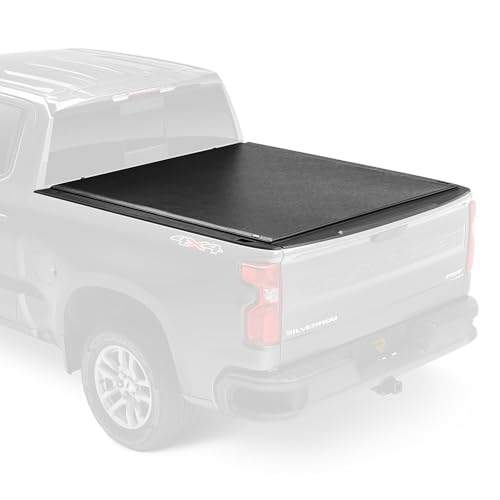
Weather Sealing: What 'Water Resistant' Actually Means
No tonneau cover is submarine-tight. Manufacturers rate covers as ‘water resistant,’ meaning they shed rain and snow but aren’t engineered for pressurized water like a car wash’s undercarriage jets.
Drain channels along the bed rails route water toward the tailgate, so most covers keep cargo dry in heavy rain as long as you’re not submerging the bed. If you’re hauling electronics or paper documents, add a secondary tarp or waterproof bin—relying on the cover alone risks moisture intrusion during long highway drives in sideways rain.
Soft covers develop leaks first at stitched seams and Velcro edges. Hard covers leak at panel gaps if debris prevents full closure. Inspect and clean seals every few months, especially before winter.
Matching Cover Type to Your Actual Use Case
The best tonneau cover on the market is the one that fits how you actually use your truck bed, not the one with the most features or highest price. If you haul loose cargo daily and need fast access, a soft roll-up makes more sense than a premium retractable that takes up bed space you need.
Prioritize the two or three features that matter for your specific situation—security level, opening speed, weather sealing, or bed access flexibility—and accept trade-offs on the rest. Trying to optimize everything at once usually means paying for features you won’t use.
Common Questions About Choosing a Tonneau Cover
For daily work use, a hard folding cover with keyed locks balances security and access. You get theft protection for tools overnight and can open panels quickly to load materials during the day.
Soft covers wear out faster under daily latching cycles, and one-piece lids slow you down if you're loading multiple times per shift.
Independent testing shows 1-2% fuel economy improvement at highway speeds by reducing bed turbulence. The savings are real but modest—you'll recover the cover's cost through fuel savings only after several years of frequent highway driving.
Aerodynamic benefit is higher with low-profile hard covers than with soft roll-ups that sit above the bed rails.
Most clamp-on covers install in 20-40 minutes with basic hand tools and no drilling. You align the rails along the bed edges, tighten clamps, and attach the cover.
Drill-in models require precision hole placement and take 60-90 minutes. If you're uncomfortable drilling into your bed rails, have a shop handle installation to avoid misalignment that causes leaks.
Measure your bed from the inside of the bulkhead to the inside of the tailgate—common sizes are 5.5, 6.5, and 8 feet, but aftermarket beds and older trucks sometimes fall between standard lengths.
Manufacturers list specific fitment by year, make, model, and bed length. Verify your exact truck details before ordering to avoid return shipping costs.
Most clamp-on covers install over spray-in and drop-in bed liners without issue. The clamps grip the top of the bed rail regardless of liner material.
Thick rail caps on some drop-in liners can interfere with clamp positioning. Check the cover's clamp width spec against your liner's rail cap thickness before buying.
Warranties range from one year on budget soft covers to limited lifetime on premium hard models. Most cover frame defects and material failure but exclude damage from accidents, improper installation, or commercial use.
Read the fine print on labor coverage—some warranties cover parts only, leaving you to pay installation costs if a replacement is needed.