
Best Tonneau Cover for Toyota Tacoma: How to Choose the Right Bed Cover for Your Truck
Tacoma owners face a unique bed-cover challenge: the truck's 5-foot or 6-foot bed dimensions and midsize payload capacity mean the wrong tonneau choice can limit cargo flexibility or fail to protect gear during off-road trips. The best tonneau cover for a Toyota Tacoma depends on how you actually use the truck — weekend trail runs demand different features than daily work-site hauling.
We'll walk through the cover styles that fit Tacoma beds, the trade-offs between security and quick access, and the installation details that matter when your truck sees both pavement and dirt.
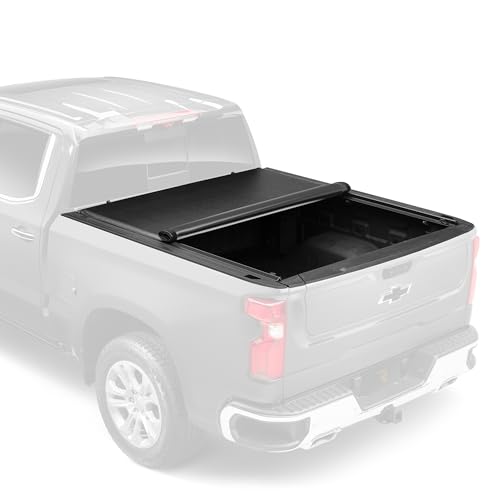
Hard Roll-Up vs Soft Roll-Up: Durability and Daily Use
Hard roll-up covers use interlocking aluminum slats that coil into a canister at the cab, offering better theft resistance than fabric and standing up to repeated exposure in wet climates. Soft roll-ups trade some security for lighter weight and a lower profile when stowed — most weigh under 50 pounds and roll toward the cab without a bulky housing.
Tacoma owners who park outdoors year-round typically prefer hard covers for their weather sealing and scratch resistance. Those who prioritize easy one-hand operation and minimal bed intrusion when the cover is open lean toward soft vinyl designs. Both styles clear the Tacoma’s factory tie-down anchors and allow full tailgate swing, but hard covers add about two inches of height to the truck’s overall dimensions when closed.
Tri-Fold and Quad-Fold Covers: Balancing Security and Access
Tri-Fold Design
Tri-fold tonneau covers split the bed into three hinged panels that stack at the cab, uncovering roughly two-thirds of the bed in seconds. The rigid aluminum or FRP panels lock at each seam, creating a theft barrier stronger than roll-ups while still allowing tool-free removal for oversized cargo.
Quad-Fold Layout
Quad-fold models divide the same bed length into four narrower panels, folding more compactly against the cab and leaving closer to 80 percent of the bed accessible when open. The trade-off is an extra hinge point and slightly more complex latch hardware. Tacoma owners who frequently haul motorcycles or appliances find the quad-fold’s tighter stack worth the added weight, while those prioritizing quick daily access prefer the simpler tri-fold mechanism.
Retractable Covers: Premium Protection for High-Value Gear
Retractable tonneau covers use a rigid canister and track system to slide aluminum slats forward, tucking the entire cover into a low-profile housing behind the cab. The result is a clean, unobstructed bed when open and a sleek, paintable surface when closed — many Tacoma owners choose retractable covers for their flush appearance and the ability to lock cargo out of sight at work sites.
Installation requires drilling into the bed rails for most models, a permanent step that delivers the tightest seal and highest theft resistance of any cover style. The mechanism adds roughly 60 pounds to the truck and raises the bed floor by an inch where the canister mounts. Brands like BAKFlip and BAK Industries engineer their retractable covers specifically for the Tacoma’s bed-width tolerances, ensuring the slats glide without binding even when the truck flexes on uneven terrain.
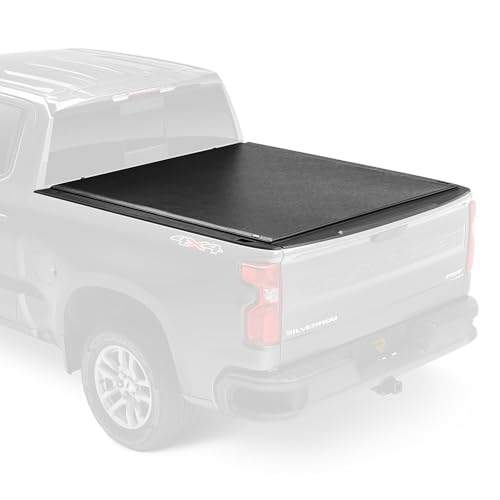
Weight, Aerodynamics, and Real-World Fuel Impact
A tonneau cover reduces the turbulent air pocket that forms in an open truck bed, lowering drag at highway speeds. Independent testing shows that hard covers typically deliver a 1-3% improvement in fuel economy during sustained 60+ mph driving, while soft covers produce a smaller but still measurable gain.
The Tacoma’s relatively short bed and upright cab shape mean the aerodynamic benefit is less dramatic than on full-size trucks, but the cover’s weight matters more: a 70-pound retractable system noticeably affects payload compared to a 35-pound soft roll-up. Owners who track fuel savings report that real-world mileage gains depend more on driving habits than cover style, with the primary value coming from keeping rain and road spray out of cargo rather than chasing tenths of a mile per gallon.

Installation Notes for Tacoma-Specific Fitment
Most Tacoma tonneau covers mount to the factory bed rail using clamps or stake-pocket anchors, a no-drill install that takes 30-45 minutes with basic hand tools. Models designed for the third-generation Tacoma (2016-present) account for the slight bed-width taper from cab to tailgate, ensuring even gaps on both sides without shimming.
Cover manufacturers list separate SKUs for 5-foot and 6-foot Tacoma beds — ordering the wrong length results in a cover that either overhangs the tailgate or leaves a gap at the cab. Double-cab and Access Cab trucks share the same bed dimensions within each length category, so the bed size alone determines fitment. Trucks with factory bed liners or aftermarket rail caps may require spacer blocks to level the mounting surface; most tonneau installation kits include these adjusters, but confirm compatibility before ordering if your Tacoma has a spray-in or drop-in liner already installed.
Matching Cover Style to How You Use Your Tacoma
The best tonneau cover for your Tacoma depends less on brand rankings and more on how the truck fits into your routine — a construction crew leader who parks at job sites every day has different security priorities than a weekend camper who needs fast access to gear between trail sections. Hard covers win on durability and theft resistance; soft covers trade some protection for lighter weight and simpler operation.
Choose your cover style based on your most common cargo type, your tolerance for installation complexity, and whether you value a clean open bed or maximum security when closed. The right answer is the one that doesn’t make you wish you’d picked differently three months into ownership.
Common Questions About Tacoma Tonneau Covers
A tri-fold or quad-fold cover gives you the flexibility to open the full bed when hauling oversized cargo, then fold it back down for daily security. Roll-up covers also work, but they leave a canister or rolled section at the cab that can interfere with items taller than the bed rails.
Retractable covers offer the cleanest fully-open bed, but the canister housing reduces usable bed length by several inches even when retracted.
Most tonneau covers fit over drop-in and spray-in liners without modification, but the liner raises the mounting surface and may require spacer blocks to keep the cover level. Check the cover manufacturer's fitment notes for your specific liner brand — some covers include adjustable clamps that accommodate the height difference, while others ship separate spacer kits.
Stake-pocket mounts typically clear bed liners without extra hardware, but clamp-on covers may need shims.
Low-profile hard covers and retractable models usually conflict with bed racks because both systems mount to the same bed rails. Soft roll-up covers designed with a low stow height can sometimes coexist with certain rack systems, but you'll need to verify clearance between the rolled cover and the rack's front crossbar.
Some rack manufacturers offer tonneau-compatible mounting kits that raise the rack legs above the cover, though this setup limits the cover's ability to fully retract or fold.
Measure your truck bed from the inside of the bulkhead (the wall behind the cab) to the inside of the tailgate with the gate closed. A 5-foot Tacoma bed measures approximately 60.5 inches, while the 6-foot bed measures around 73.7 inches.
Tonneau cover listings specify either 5-foot or 6-foot fitment for Tacoma models — match your bed's actual length to the cover's rated size, and confirm the model year range to account for any bed-rail design changes across Tacoma generations.
Soft covers deter casual theft by hiding cargo from view and locking at the tailgate, but the vinyl material can be cut with a knife. For high-value tools or equipment, a hard cover with metal panels and multi-point locking provides better security.
Many Tacoma owners use soft covers for everyday gear protection and move expensive items to a locked toolbox when parking in unfamiliar areas overnight.
No-drill clamp-on tonneau covers do not affect the factory warranty because they attach without modifying the truck. Covers that require drilling into the bed rails or removing factory components could raise warranty questions if a related failure occurs, though aftermarket accessories are generally allowed under federal law as long as they don't cause the specific problem being claimed.
Keep installation instructions and proof of professional installation if you're concerned about preserving warranty coverage on bed-related components.