
Does a Tonneau Cover Increase Gas Mileage? Real-World Data on Fuel Savings and Aerodynamics
Does a tonneau cover increase gas mileage? The short answer is yes — by reducing aerodynamic drag, a properly installed tonneau cover can improve your truck's fuel economy by 5 to 10 percent at highway speeds. That translates to real savings over time, especially for drivers who log serious miles each week.
We've compiled research from multiple sources, including SAE International wind-tunnel studies and thousands of driver reports, to show exactly how the aerodynamic improvement works and what you can expect in real-world conditions. Whether you haul tools daily or use your truck for weekend trips, understanding the fuel-economy impact helps you make a smarter investment.
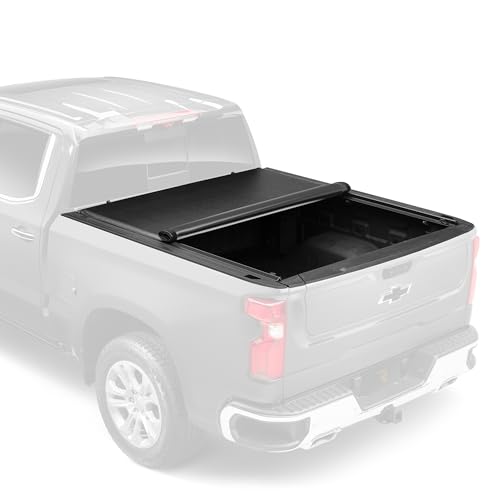
How Aerodynamics Drive the Fuel Savings
An open truck bed creates a turbulent air pocket behind the cab, generating drag that forces the engine to work harder at speed. Installing a tonneau cover smooths airflow over the bed, reducing that resistance.
SAE International published controlled wind-tunnel tests showing that a low-profile hard cover can cut drag by up to 12 percent compared to an open bed. That reduction directly lowers the energy required to maintain highway speed, which is why most drivers see the biggest gains on long freeway runs rather than stop-and-go city traffic.
The degree of improvement depends on cover design.
Low-Profile Hard Covers vs Soft Roll-Ups
Hard covers that sit flush with the bed rails perform better aerodynamically than taller soft roll-ups, though both outperform an open bed. Tri-fold models occupy a middle ground — when fully closed they offer solid drag reduction, and drivers appreciate the flexibility to haul taller cargo by opening one or two panels as needed.
What the Numbers Look Like in Real Driving
Independent fuel-economy tests conducted by Consumers Union and reported by major automotive publications found that pickups equipped with tonneau covers achieved 1.8 mpg improvement on average during extended highway cycles. For a truck averaging 18 mpg, that represents a 10 percent gain.
City driving shows smaller benefits — typically 1 to 3 percent — because lower speeds generate less aerodynamic drag to begin with. The cover still helps by keeping cargo secure and reducing weight from water accumulation in the bed, but the fuel savings become most visible once you exceed 50 mph.
Driver reports vary based on truck model, driving habits, and cover type. Full-size crew cabs with large bed surface area see greater absolute drag reduction than compact pickups. If you regularly tow or carry heavy loads, the baseline fuel consumption rises and the percentage improvement may appear smaller, though the absolute gallon savings remain consistent.
Installation and Maintenance Impact on Performance
A cover that doesn’t seal properly or sits poorly aligned can actually increase drag by creating new turbulence points. We recommend checking clamp tension and rail alignment during installation — loose hardware allows the cover to flutter at speed, undoing the aerodynamic benefit.
Over time, worn latches and clamp kits that no longer hold tension can cause similar issues. Replacing those components restores the original fit and keeps the fuel-economy advantage intact.
Seasonal Considerations
Cold weather affects both cover flexibility and fuel economy independently. Vinyl covers stiffen in freezing temperatures, making them harder to operate but not significantly changing their aerodynamic profile once latched. Winter fuel blends and increased idling have a larger impact on mpg than the cover itself, so isolate your testing to similar conditions when measuring savings.
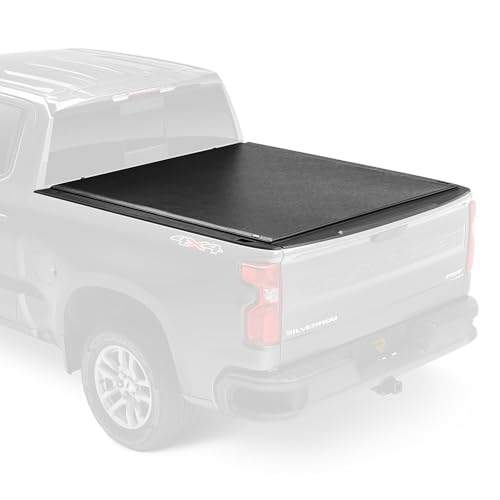
Calculating Your Payback Period
If you drive 15,000 miles per year at an average of 18 mpg and fuel costs $3.50 per gallon, a 7 percent improvement saves roughly 58 gallons annually — about $203. A mid-range tonneau cover typically costs $300 to $600, meaning the fuel savings alone can recover the investment in two to three years.
Drivers who log more highway miles or own less fuel-efficient trucks see faster payback. The calculation shifts if you already planned to buy a cover for cargo security or weather protection — in that case, the fuel savings become a bonus rather than the primary justification.
Keep in mind that tonneau covers also reduce bed oxidation and can improve resale value by keeping the bed in better condition, adding non-fuel financial benefits to the overall equation.
Making the Most of Your Tonneau Cover Investment
The fuel-economy benefit of a tonneau cover is real and measurable, especially for drivers who spend significant time at highway speeds. While city driving offers smaller gains, the combined advantages of cargo security, weather protection, and improved resale value make a cover a smart long-term investment for most truck owners.
Proper installation and periodic maintenance — checking clamp tension, replacing worn latches, and ensuring a tight seal — preserve the aerodynamic advantage over the cover’s lifespan. When you factor in reduced bed wear and the convenience of secure storage, the fuel savings become one piece of a larger value equation that pays off year after year.
Common Questions About Tonneau Covers and Fuel Economy
No. Larger bed surface areas on full-size crew cabs generate more baseline drag, so those trucks typically see greater absolute fuel savings. Compact and mid-size pickups still benefit, but the mpg improvement may be smaller in percentage terms because their open-bed drag penalty was lower to start.
Highway driving produces the most noticeable gains because aerodynamic drag increases with speed. City driving shows 1 to 3 percent improvement at best, since stop-and-go traffic generates minimal drag regardless of bed configuration. The cover still helps by keeping cargo dry and reducing weight from accumulated water.
Hard covers that sit flush with the bed rails typically outperform soft roll-ups aerodynamically, though both are better than an open bed. Soft covers may billow slightly at highway speed if not tensioned properly, creating minor turbulence. The difference in real-world fuel economy is often 1 to 2 mpg between a well-fitted soft cover and a low-profile hard design.
For most drivers logging 12,000 to 15,000 miles per year, payback occurs in two to three years. High-mileage drivers and those with less efficient trucks recover the cost faster. The calculation improves if you also value cargo security and bed protection, which add resale value beyond fuel savings alone.
Yes. A cover that flutters, sits misaligned, or has loose clamps can increase drag by disrupting smooth airflow. Always verify that latches engage fully and that the cover lies flat against the bed rails. Periodic inspection and hardware replacement maintain the intended aerodynamic benefit.
No. Wind-tunnel testing shows that removing the tailgate typically increases drag by allowing turbulent air to churn inside the open bed cavity. A closed tailgate with a tonneau cover installed delivers the best aerodynamic performance and the highest fuel-economy improvement.