
Can You Drive with a Tri-Fold Tonneau Cover Open? What You Need to Know Before You Hit the Road
One of the most common questions truck owners ask after installing a tri-fold cover is whether they can drive with it partially or fully open. The short answer is yes, you can — but the real question is whether you should, and under what conditions.
Driving with a tri-fold tonneau cover open isn't inherently dangerous, but it does introduce risks to the cover itself, your cargo, and even your fuel economy. Understanding when it's safe to do so, and how to minimize damage, can save you from expensive repairs and frustrating road mishaps. We'll walk you through the mechanics, the risks, and the best practices for driving with your cover in various positions.
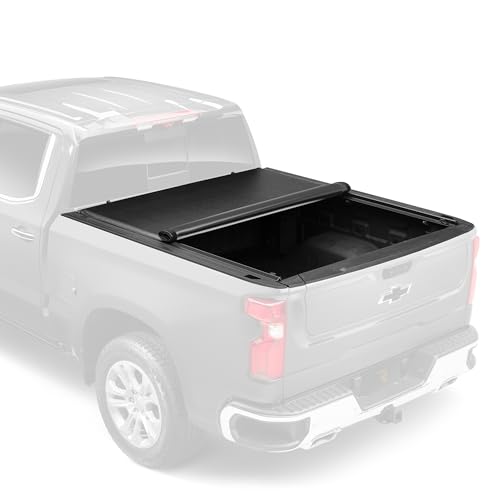
Why Tri-Fold Covers Are Designed to Fold, Not Fly
Tri-fold tonneau covers are built with flexibility in mind — you can fold one or more panels forward to accommodate taller cargo while keeping the rest of your bed covered. Most designs let you fold the cover into thirds and secure it behind the cab, leaving two-thirds of the bed accessible.
The catch is that these covers aren’t engineered to act as airfoils at highway speed. Vehicle safety standards don’t specifically address aftermarket bed covers, but the aerodynamic forces that act on an unsecured panel at 60+ mph are substantial. Wind can pry open latches, whip panels against the bed rails, or even rip the cover entirely off its mounting clamps if it wasn’t designed to stay open while moving.
Most manufacturers explicitly warn against driving with panels fully open and unsecured. The fabric or aluminum panels experience lift and drag forces they weren’t designed to handle for extended periods, particularly on soft tri-folds where the material can billow and tear.
When It's Safe to Drive with Panels Folded Forward
If you need to drive with your tri-fold cover open, the safest configuration is folding all three panels forward against the cab and securing them with the built-in straps or buckles. This configuration keeps the panels out of the wind stream and prevents them from flapping.
Drive at moderate speeds — ideally under 50 mph — and avoid highways if possible. Even properly secured panels can shift or loosen over rough pavement, and high crosswinds can still exert lateral force on the folded stack.
Short trips are far less risky than long hauls. If you’re running across town to pick up lumber, a folded-forward cover will likely hold up fine. If you’re planning a two-hour highway drive, you’re asking for trouble. Many owners of hard-fold models, like those compared in our Lomax Stance vs BakFlip G2 guide, report better stability when folded because the rigid panels stack more securely than soft vinyl.
The Risks of Driving with One or Two Panels Partially Open
Leaving one or two panels open while the rest remain closed creates the worst aerodynamic scenario. The open panel acts like a sail, catching wind and creating lift that can rip the hinge hardware right out of the bed rail.
We’ve seen covers where the latch failed mid-drive, sending the panel flipping backward into traffic. Even if the cover stays attached, the constant flapping will fatigue the hinges, buckle the frame, and crack the panel surface — particularly on soft-fold models where the vinyl can’t support its own weight under wind load.
If you must drive with a partial opening, secure the open panel with ratchet straps running from the bed tie-downs to the cover frame. This isn’t a manufacturer-recommended solution, but it’s far better than letting a panel flap freely at speed. Some brands, including options from Lund tonneau covers, offer reinforced latching systems that hold up better under wind pressure, though none are truly designed for open-road use in this configuration.
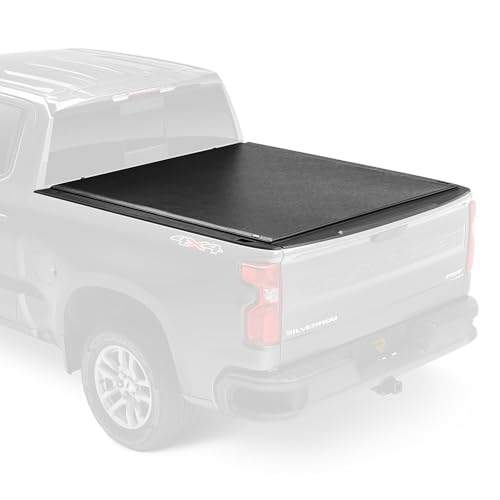
How Driving Open Affects Fuel Economy and Cargo
A closed tri-fold cover improves fuel economy by smoothing airflow over the truck bed, reducing drag. Opening the cover reverses that benefit — you’ll create a low-pressure pocket in the bed that increases turbulence and drag, costing you 1-3 mpg depending on speed and wind conditions.
Cargo left in an open bed is exposed to wind, rain, and road debris. Even if your load is too tall to close the cover, consider throwing a tarp over it and cinching it down with bungee cords. Wind-driven rain at highway speed will soak anything in the bed, and smaller items can simply blow out.
If you regularly haul oversized cargo, a hard folding cover with a higher lift capacity might suit you better than a soft roll-up. Our hard folding tonneau cover guide covers models that fold completely out of the way when you need the full bed height, eliminating the temptation to drive with panels partially secured.

Best Practices for Driving with Your Cover Folded
Always double-check that every buckle, strap, and clamp is fully engaged before you start driving. A loose strap can unravel in seconds once wind gets under the panel.
Inspect the cover after each trip where you drove it open. Look for stress cracks in the panel corners, bent hinge pins, stretched fabric, or loose rail clamps. Catching damage early prevents a small issue from turning into a full replacement.
If you’re using your truck for a project that requires repeated trips with the cover open, consider removing it entirely for the day. Most tri-folds detach in minutes with basic hand tools, and storing the cover in your garage beats risking hundreds of dollars in wind damage. When you’re done, reinstall it and you’re back to full bed protection without any compromise.
Know the Limits of Your Tri-Fold Cover
Driving with a tri-fold tonneau cover open is possible, but it’s always a compromise. The cover wasn’t designed to handle sustained wind forces while moving, and every trip you take with it open accelerates wear on the hinges, fabric, and mounting hardware.
When you do need to drive with it folded, keep trips short, speeds moderate, and always secure every panel properly. Inspect the cover after each open-bed trip, and don’t hesitate to remove it entirely if you’re facing a long haul with oversized cargo. A little extra care now saves you from replacing a damaged cover later.
Common Questions About Driving with Your Tri-Fold Cover Open
You can, but it's not recommended. Highway speeds generate enough wind force to damage hinges, tear fabric panels, or even rip the cover off entirely if it's not properly secured. If you must drive on the highway, fold all panels forward against the cab, secure them tightly, and keep your speed under 60 mph.
Most manufacturers specify that their covers are designed to be used closed while driving. Damage caused by driving with the cover open or improperly secured typically isn't covered under warranty. Always check your specific model's warranty terms before assuming coverage for wind-related damage.
Fold all three panels forward against the cab and use the built-in straps or buckles to lock them in place. If your cover doesn't have factory straps, add ratchet straps from the bed tie-downs to the cover frame. Drive at moderate speeds and avoid long highway trips to minimize stress on the cover.
This is the riskiest configuration. An open panel acts like a sail, catching wind and putting extreme stress on the hinges and latches. If you need partial bed access, it's safer to fold the entire cover forward or remove it completely rather than leaving one section exposed to wind forces.
Yes. An open cover disrupts the smooth airflow over your truck bed, creating drag and turbulence that can reduce fuel economy by 1-3 mpg at highway speeds. A closed cover is always more aerodynamic than an open bed, and an open or partially open cover is the worst of both worlds.
Inspect hinge pins for bending, check panel corners for stress cracks, and look for stretched or torn fabric on soft-fold models. Rail clamps can loosen from vibration, and latch mechanisms can bend or break under wind load. Catching these issues early prevents more expensive damage down the line.