
Why Is It Called a Tonneau Cover? The Surprising History Behind the Name
If you've ever shopped for a truck bed cover, you've probably asked yourself: why is it called a tonneau cover? The term feels formal, even a bit mysterious, especially compared to straightforward names like 'bed cover' or 'truck cap.' The answer takes us back more than a century, to the earliest days of the automobile and a feature borrowed directly from horse-drawn carriages.
We're going to walk through the actual history of the name, what 'tonneau' originally meant, and how a rear passenger compartment on a 1900s roadster evolved into the accessory sitting on millions of pickup trucks today.
The Original Tonneau: A Rear Passenger Compartment in Early Automobiles
In the early 1900s, most automobiles were open-top roadsters with a front bench for the driver and one passenger. Behind that bench sat a separate rear compartment called the ‘tonneau’—a term borrowed from French carriage builders, where it originally referred to a barrel-shaped rear section. That rear area was exposed to the elements, and when not carrying passengers, owners would cover it with a fitted fabric or leather panel to keep out rain, dust, and road debris.
The cover itself became known as a ‘tonneau cover,’ and the name stuck. Even after enclosed sedan bodies became the norm and the rear passenger tonneau disappeared, the term survived in automotive vernacular. When pickup trucks gained popularity and owners needed weatherproof covers for their open cargo beds, the old roadster accessory provided the perfect naming precedent.
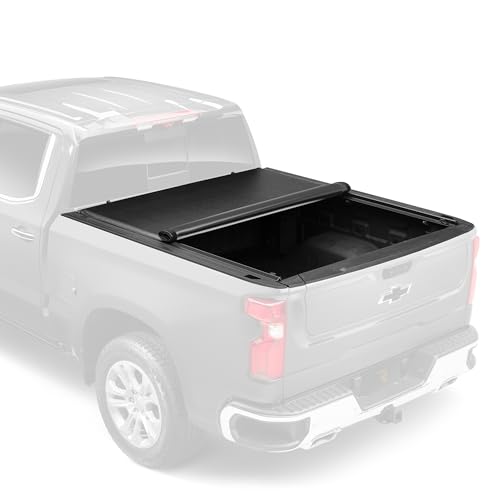
Today’s truck bed covers serve the same essential purpose—keeping cargo dry and secure—but the design has evolved far beyond those early fabric panels. Modern options range from soft roll-ups to hard folding aluminum and retractable systems from brands like Roll-N-Lock, each engineered for specific bed dimensions and load requirements.
What 'Tonneau' Actually Means and Why It Applies to Truck Beds
The word ‘tonneau’ comes from the French term for ‘cask’ or ‘barrel,’ referring to the rounded, enclosed shape of early carriage compartments. French coachbuilders used the term to describe a particular style of rear seating area, and when European automotive manufacturers began designing motor carriages in the late 1800s, they carried the vocabulary forward.
By the 1920s and 1930s, as automakers transitioned to fully enclosed cabins, the tonneau as a physical compartment vanished from most designs. But the tonneau cover accessory remained relevant for sports cars, convertibles, and eventually commercial trucks. The name persisted because it conveyed exactly what the product did: it covered an open rear area, just as it had for decades.
When the modern pickup truck bed cover industry emerged in the 1970s and 1980s, manufacturers needed a term that separated their product from tarps and generic cargo nets. ‘Tonneau cover’ provided that distinction—it sounded precise, tied the product to established automotive tradition, and clarified that this was a purpose-built accessory, not a makeshift solution.
How the Name Survived the Transition from Cars to Trucks
The tonneau cover made the jump from passenger cars to pickup trucks because both vehicles shared a fundamental design challenge: an open cargo area exposed to weather. Early truck owners used the same fabric and snap-on covers that roadster drivers had relied on, and the familiar name followed the product into its new application.
As pickup trucks gained market share in the mid-20th century, aftermarket manufacturers recognized the demand for durable, weather-resistant bed protection. They refined the design—adding rigid frames, locking mechanisms, and UV-resistant vinyl—but kept the tonneau cover label because it already carried recognition and credibility. The term signaled that this wasn’t just a tarp; it was an engineered accessory with automotive roots.
Today, the tonneau cover category includes dozens of subcategories—soft roll-up, hard folding, retractable, hinged—but the core name remains unchanged. It’s the same linguistic continuity that keeps us calling a car’s dashboard a ‘dashboard’ long after actual dashboards (the board that blocked mud splashes in carriages) disappeared.
Why We Still Use the Term Instead of 'Bed Cover' or 'Truck Cap'
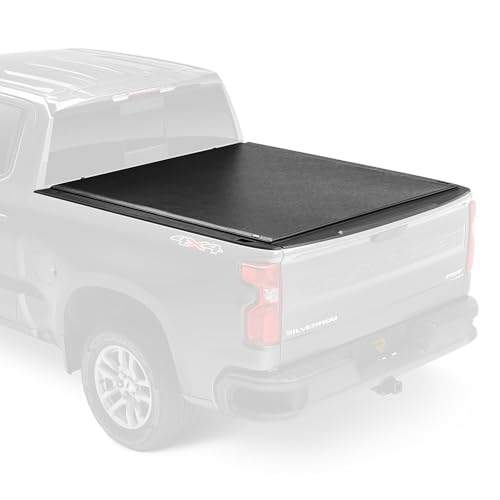
You’ll sometimes hear ‘bed cover’ used interchangeably with ‘tonneau cover,’ but the industry and most truck owners distinguish between the two. A tonneau cover specifically refers to a low-profile cover that sits flush or near-flush with the bed rails, preserving the truck’s aerodynamic profile. A ‘truck cap’ or ‘camper shell,’ by contrast, adds vertical height and creates enclosed storage space—functionally a different product.
Specificity and Market Segmentation
Using ‘tonneau cover’ instead of the generic ‘bed cover’ helps manufacturers and retailers segment the market. A shopper searching for a tonneau cover expects a sleek, streamlined accessory that improves fuel economy and secures cargo without adding bulk. That expectation is built into the term itself, thanks to its century-long association with fitted, purpose-designed automotive covers.
The name also carries practical SEO and communication benefits. When we write about choosing between different styles or what to look for beyond the brand name, using the established term ensures clarity across product lines, installation guides, and warranty documentation.
A Name That Reflects Automotive History
The term ‘tonneau cover’ connects today’s truck accessories to a design legacy that predates the pickup truck itself. What began as a fabric panel protecting rear passengers in open-top roadsters evolved into a specialized product category serving millions of truck owners. The name endures because it’s specific, historically grounded, and immediately understood within the automotive world.
Whether you’re shopping for a soft roll-up, a hard folding panel, or a fully retractable system, you’re choosing a direct descendant of that early 1900s roadster accessory. The function has been refined, the materials have advanced, and the installation methods have become more sophisticated—but the core idea, and the name, remain the same.
Common Questions About Tonneau Cover Names and History
'Tonneau cover' is the industry-standard term inherited from early automobiles, where it referred to a cover for the rear passenger tonneau compartment. The name distinguishes low-profile, fitted truck bed covers from taller truck caps and generic tarps, signaling a purpose-built accessory rather than a makeshift solution.
In French, 'tonneau' means 'cask' or 'barrel.' The term originally described the rounded, barrel-shaped rear compartment on horse-drawn carriages and early motor cars. French coachbuilders used it to refer to a specific seating configuration, and the name carried over when covers for that compartment became common automotive accessories.
Tonneau covers transitioned from passenger cars to pickup trucks in the mid-20th century as truck ownership expanded. The modern aftermarket tonneau cover industry took off in the 1970s and 1980s, when manufacturers began engineering durable, weather-resistant covers specifically for truck beds, adapting the design and name from earlier automotive applications.
No. A tonneau cover is a low-profile cover that sits flush or near-flush with the bed rails, designed to protect cargo and improve aerodynamics. A truck cap or camper shell adds significant vertical height, creating an enclosed storage area. The two serve different purposes and are distinct product categories in the truck accessory market.
No. Installation varies by type—soft roll-up covers typically use clamp-on rails, hard folding models often require drilled mounts, and retractable systems may involve canister housing along the bulkhead. Each design prioritizes different factors like ease of removal, security, and bed access, so the mounting approach differs accordingly.
The word is French, originally pronounced closer to 'toh-NOH,' but in American English it's commonly said as 'TUH-noh' or 'ton-OH.' Both pronunciations are widely accepted in the truck accessory industry, and regional variation is normal for borrowed automotive terms that have been in use for over a century.