
How to Open a Tonneau Cover When Your Tailgate Won't Open: Emergency Access Methods & Latch Fixes
A tailgate that won't open is frustrating enough on its own — but when a tonneau cover is installed, the problem becomes a full lockout from your truck bed. Most covers are designed to be accessed through the tailgate, so a jammed latch or broken cable leaves you staring at a sealed bed with no obvious way in.
The good news: nearly every tonneau cover includes an emergency access method or alternative entry point that doesn't require a functioning tailgate. Some models have dedicated bypass latches; others rely on partial removal or clever use of the cover's own rail system. We'll walk through how to open tonneau cover when tailgate won't open for the most common cover types, plus how to diagnose and fix the underlying tailgate issue so you're not stuck repeating the workaround every time you need your bed.
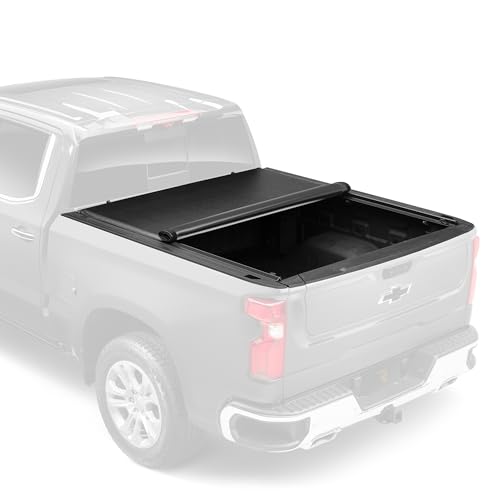
Roll-Up Covers: Access Through the Front Rail or Cab Window
Most soft roll-up covers secure at the cab end with a rail-mounted tension system or hook-and-loop closure. When the tailgate won’t release, you can often access the bed by rolling the cover forward from inside the cab.
Lower your rear window completely and reach through to release the front rail clamps — typically a spring-loaded lever or thumb latch on each side. Once unclipped, roll the cover toward the cab as far as the rail allows. This gives you access to at least the front half of the bed, enough to retrieve tools or cargo.
If your cover uses a roll-up design with sewn-in tension bows, you may need to remove the entire front rail by unscrewing the clamps — this takes about five minutes and lets you slide the rolled cover completely out of the bed rails. Store it in the cab or garage until the tailgate is repaired.
Hard Folding Covers: Panel Removal & Rear-Panel Bypass
Tri-fold and quad-fold hard covers are segmented into panels that hinge at the seams. When the tailgate is stuck, you can remove individual panels to create an access opening.
Start with the rear panel: locate the hinge pins or release levers where it connects to the middle panel. Most models use a spring-loaded pin you pull upward or a rotating cam latch. Lift the rear panel free and set it aside.
With the rear panel removed, you now have open access to the back third of the bed — and in most cases, you can reach the tailgate latch mechanism from inside the bed. Use a flashlight to locate the cable attachment point on the latch assembly and manually trip it with a screwdriver or pull the cable directly if it’s detached.
Retractable Covers: Manual Override Cranks & Housing Access
Retractable tonneau covers store in a canister at the front of the bed, and most include a manual crank for situations where the motor fails or the tailgate can’t be opened. Look for a small access panel on the side of the canister — it’s usually a round or rectangular cover held by a single screw.
Remove the panel and insert the provided hand crank (check your owner’s manual storage pouch or the canister itself). Turn the crank counterclockwise to retract the cover into the housing. This opens the bed fully without requiring tailgate access.
If you don’t have the hand crank, some models allow you to rotate the internal spool by hand once the access panel is removed. Wear gloves — the spring tension can pinch fingers if the mechanism slips.
Diagnosing the Tailgate Latch Issue: Cable, Striker & Handle Failures
Once you’ve gained bed access, the next step is identifying why the tailgate won’t open. The three most common culprits are a snapped latch cable, a misaligned striker plate, or a broken handle assembly.
Inspect the cable first: from inside the bed, locate where the cable attaches to the latch mechanism (usually visible on the driver’s side of the tailgate frame). If the cable is detached or frayed, pull it gently to see if the latch trips. A detached cable can be temporarily reattached with a zip tie or replaced with an OEM part.
Next check the striker plate on each side of the tailgate opening. If the plate is bent, rusted, or has shifted position, the latch pawl can’t engage properly. Loosen the two mounting bolts, reposition the striker so it aligns with the latch, and retighten. If the plate is corroded, replacement striker hardware is widely available and installs in minutes.
Finally, test the handle mechanism. If the handle feels loose or doesn’t return to its resting position, the internal spring or rod linkage has likely failed. Most handles are held in place by two bolts accessible from inside the tailgate — remove the inner panel (usually clipped or screwed in place) to inspect and replace the handle assembly.

Temporary Fixes & Long-Term Solutions
If you’re on the road or need immediate access, a temporary fix is to trip the latch manually each time. Reach through the bed (or remove the cover entirely if it’s blocking access) and pull the cable or push the latch pawl with a flathead screwdriver.
For a permanent repair, replace the failed component — tailgate cables run about fifteen to thirty dollars, striker plates cost even less, and handle assemblies are typically under fifty dollars for most truck models. All three are DIY-friendly repairs that require only basic hand tools.
Once the tailgate is functioning again, reinstall your tonneau cover using the manufacturer’s original hardware and check that all clamps, latches, and seals are properly aligned. A misaligned cover can interfere with tailgate operation or create wind noise at highway speeds.
Regaining Bed Access & Preventing Future Lockouts
A stuck tailgate doesn’t have to mean a sealed truck bed. Whether you’re working with a roll-up, hard folding, or retractable cover, nearly every design includes a workaround that lets you access your cargo without a functioning tailgate.
Once you’ve used the emergency method to get inside, take the time to diagnose and repair the tailgate issue itself — a snapped cable or misaligned striker is a quick fix that prevents you from repeating the workaround every time you need your bed. Keep basic hand tools in the cab and familiarize yourself with your cover’s emergency access procedure before you’re stuck in a parking lot or on the side of the road.
Common Questions About Tailgate & Tonneau Cover Access Problems
Yes, but only if you can already access the bed through another method. Most covers require you to first gain entry via the cab window, panel removal, or a manual override crank. Once inside the bed, you can unlatch the cover's rail clamps or remove securing hardware to fully open it.
Forcing the tailgate can bend the cover's rear rail, crack hard panels, or tear the seal on soft covers. Always use the cover's emergency access method or remove it entirely before attempting to pry the tailgate. Replacing a damaged cover costs far more than the time required to access it properly.
Remove or fully retract the tonneau cover and try opening the tailgate without it installed. If the tailgate opens normally, the cover's rear clamps or seal may be creating enough resistance to prevent the latch from releasing. If the tailgate still won't open, the issue is with the latch cable, striker, or handle assembly.
Not all, but most modern covers include some form of alternative entry — either a front-rail release accessible through the cab, removable panels, or a manual override crank. Budget soft covers with fixed rails may require complete removal if the tailgate fails. Check your owner's manual for your specific model's emergency procedure.
Yes. If the cover's rear rail sits too low or the seal is overly compressed, it can press against the tailgate and prevent the latch from fully engaging. This is common after installing a new cover or adjusting the rail clamps. Loosen the rear clamps slightly and test whether the tailgate opens more easily.
A flathead screwdriver and flashlight are usually sufficient. Use the screwdriver to trip the latch pawl or pull the cable attachment point. If the cable is detached, needle-nose pliers can help grip and pull it. For striker plate adjustments, keep a socket wrench or adjustable wrench in your truck's tool kit.