
What Is the Best Tonneau Cover for Chevy Silverado? Matching Your Bed to the Right Cover Style
Silverado owners ask us what is the best tonneau cover for Chevy Silverado trucks more often than any other question, and the answer depends entirely on how you use your bed. A contractor hauling tools needs something different than a weekend camper, and the Silverado's available bed lengths — 5'8", 6'6", and 8' — mean fitment precision matters more than brand alone.
We've installed covers on thousands of Silverados across every generation, and we've learned that the best choice comes down to three questions: how often you need full bed access, whether you haul tall cargo, and how much security you require. This guide walks through each consideration so you can match your truck to the cover style that actually fits your routine.
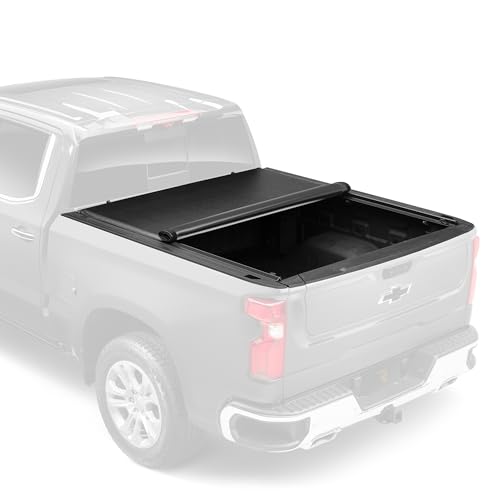
Bed Length and Rail Compatibility: Why Silverado Fitment Isn't One-Size-Fits-All
Every Silverado bed length uses a slightly different stake pocket position, and covers designed for the 5’8″ bed won’t tension correctly on an 8′ bed even if the manufacturer claims universal fit. The 6’6″ bed is the most common, but Double Cab and Crew Cab configurations change which lengths pair with which cab styles across model years.
Measure your bed from the inside of the bulkhead to the inside of the tailgate before ordering — a half-inch error means gaps at the tailgate or buckled fabric at the cab end. Silverado bed caps and spray-in liners can also shift the usable rail width by a quarter inch, so confirm clearance if you’ve added aftermarket bed accessories.
Check the Stake Pocket Depth
Some covers clamp directly to the bed rail, others use the stake pockets as anchor points. If your truck has a spray-in liner, the pocket depth may be reduced enough that certain clamp-style covers bottom out before achieving full tension, leaving the cover loose or wrinkled.
Hard Folding vs Soft Roll-Up: Matching Cover Style to How You Actually Use Your Bed
Hard folding covers give you the most flexibility for tall cargo — fold one panel forward and you can haul a toolbox or ATV ramp while keeping the rest of the bed covered. Soft roll-ups are faster to open completely, but once rolled they stay bunched at the cab end and can’t be repositioned mid-haul.
If you frequently switch between full bed access and secure covered storage, a tri-fold design offers the best of both: fold it all the way open for plywood or mulch, or leave one section closed for smaller items you want locked down. Retractable covers disappear into a canister at the cab, but that canister permanently claims six to eight inches of bed length.
Weather Sealing and Bed Drainage
No tonneau cover is fully waterproof — they’re designed to shed rain toward the bed’s factory drain channels, not seal like a truck cap. Soft covers rely on tensioned fabric and Velcro flaps, which work well in light rain but can seep in heavy storms or car washes. Hard covers use rubber seals at each panel joint, and the quality of those seals determines whether you wake up to a damp bed after an overnight downpour.
Security Considerations: What Different Lock Styles Actually Protect
Most tonneau covers lock at the tailgate, which keeps opportunistic theft at bay but won’t stop someone with a blade or pry bar. Soft covers can be cut in seconds, so if you’re leaving tools in the bed overnight in a public lot, a hard cover with integrated locks at each panel joint is the baseline.
Retractable and hard folding covers offer the best tamper resistance because the panels themselves are rigid aluminum or fiberglass, and the locking mechanism is hidden under the cover rather than exposed at the tailgate. That said, no cover is theft-proof — a determined thief can remove the entire cover by loosening the clamps, so don’t leave high-value items unattended regardless of cover style.
Locking Tailgate Integration
Some covers integrate with the Silverado’s factory tailgate lock, meaning one key controls both. Others use a separate keyed cylinder at the cover’s tailgate latch, which adds convenience but also means two locks to manage if you lose a key. Verify whether your cover’s lock can be keyed to match your truck’s existing locks before installation.
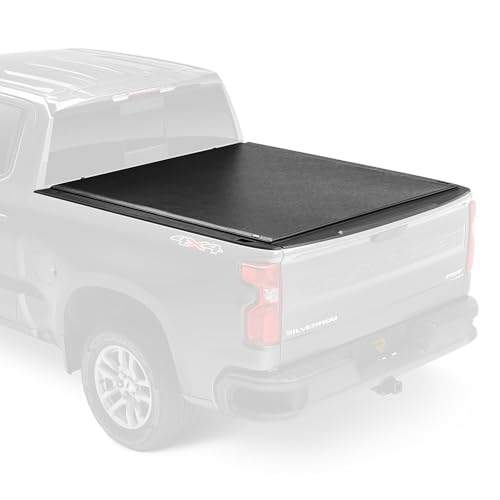
Payload and Towing Impact: How Cover Weight and Aerodynamics Affect Your Truck
A soft roll-up cover adds five to fifteen pounds, which has no measurable effect on payload or towing capacity. Hard folding and retractable covers can weigh sixty to ninety pounds, and while that’s still negligible for a half-ton truck, it does shift your center of gravity slightly rearward when the bed is empty.
Aerodynamics matter more than weight for fuel economy. A properly installed cover smooths airflow over the bed and can improve highway mileage by one to two MPG, but only if the cover sits flush with the bed rails and doesn’t create a raised hump that catches wind. Covers that sit four or five inches above the rail can actually increase drag and hurt mileage, especially at speeds above sixty MPH.
If you’re comparing options across different truck models, our guides for the Toyota Tacoma and Chevy Colorado walk through similar bed-length and usage considerations for mid-size platforms.
Choosing the Right Cover for Your Silverado's Real-World Use
The best tonneau cover for your Silverado is the one that matches how you actually use the bed, not the one with the most features or the highest price tag. If you haul tall cargo weekly, a tri-fold or retractable design keeps your options open. If security matters more than versatility, a hard cover with integrated panel locks is the starting point.
Measure your bed length, confirm your stake pocket depth if you have a spray-in liner, and decide whether you’re willing to trade a few inches of bed length for the convenience of a retractable canister. Every cover style has trade-offs, and the right one is the one that fits your truck’s actual job.
Common Questions Silverado Owners Ask About Tonneau Covers
A hard tri-fold cover gives you the fastest full-bed access for bulk loads like mulch or gravel, and you can fold just one section if you need to carry a tall item like a lawnmower while keeping tools locked in the remaining covered area. Look for a model with a load rating of at least 400 pounds if you occasionally rest plywood or other sheet goods on top of the closed cover.
Yes, but confirm that the cover's clamps have enough clearance to grip the rail without bottoming out on the liner's raised edge. Some spray-in liners add a quarter inch of thickness at the stake pockets, which can prevent certain clamp-style covers from achieving full tension. Measure the exposed rail height after the liner is installed and compare it to the cover's minimum rail requirement.
A flush-mounted cover can improve highway fuel economy by one to two MPG by reducing the low-pressure zone behind the cab that creates drag. The improvement is most noticeable at sustained speeds above fifty-five MPH and disappears in stop-and-go city driving. Covers that sit several inches above the bed rail or create gaps at the tailgate can actually increase drag and negate any mileage benefit.
Check the driver-side door jamb sticker for the bed code: a 5'8" bed is usually coded as short bed or standard bed, 6'6" as standard or long bed depending on cab style, and 8' as long bed. If the sticker is missing, measure from the inside of the bulkhead to the inside of the closed tailgate. Round to the nearest common size, but always verify with the cover manufacturer's fitment chart before ordering.
Installing a tonneau cover does not void your truck's warranty, but damage caused by improper installation — such as cracked paint from over-tightened clamps or water intrusion from misaligned seals — is not covered under warranty. Follow the manufacturer's torque specs for clamp bolts and verify that all drain channels remain unobstructed after installation.
No. A truck cap and a tonneau cover both mount to the bed rails and serve the same function of covering the bed, so they are mutually exclusive. If you need the security of a cap but want occasional open-bed access, consider a removable cap with a lift-off design, or choose a hard folding tonneau cover with integrated locks instead.