
How Does a Bedslide Work with a Tonneau Cover? Clearance, Mounting & Daily Use Explained
A bedslide and a tonneau cover serve opposite goals: one pulls cargo forward for easy access, the other seals the bed from above. Many truck owners assume the two accessories can't coexist, but most bedslide and cover combinations work together without issue as long as you understand clearance requirements and installation order.
We'll walk through how a bedslide operates under a closed cover, which mounting styles create conflicts, and what to measure before buying both accessories.
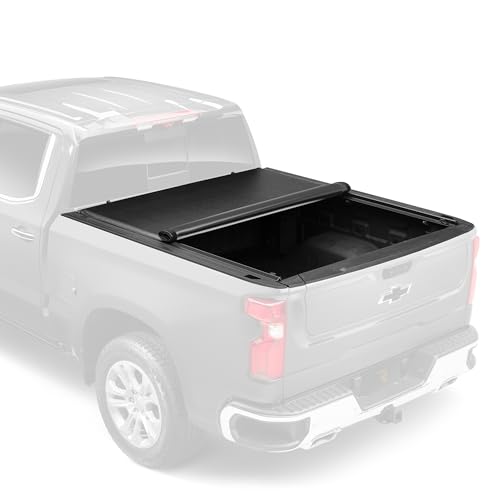
How a Bedslide Operates Beneath a Tonneau Cover
A bedslide is a rolling platform mounted to the bed floor that slides forward on rails, bringing cargo within arm’s reach from the tailgate. When paired with a tonneau cover, the bedslide remains fully functional as long as the cover’s underside clears the slide’s height when closed.
Most low-profile soft roll-up and tri-fold covers sit 2-3 inches above the bed rails when fastened, leaving enough room for a typical bedslide deck (which rides 1-2 inches off the floor). Hard folding covers and retractable models usually provide similar or greater clearance. The slide moves independently of the cover — you open the tonneau first, then pull the bedslide forward to access gear stored toward the cab.
Problems arise only when a cover’s closed position sags into the bed or when a bedslide deck sits unusually high. Measure your cover’s actual interior clearance at the midpoint of the bed, not just the advertised height above the rails.
Installation Order and Mounting Considerations
Install the bedslide first, then the tonneau cover. Bedslides bolt directly to the bed floor or to existing tie-down points, and those fasteners need clear access during installation. Once the slide is secured, you mount the cover’s clamps or rails to the bed sidewalls as usual.
Some bedslide models include raised edges or integrated toolboxes that extend a few inches above the deck surface. If your cover uses tension bows or support ribs that dip into the bed, check that those ribs won’t contact the bedslide’s raised features when the cover is closed and latched.
Clamp and Rail Conflicts
Tonneau cover clamps attach to the top inner edge of the bed rail, while bedslide rails run along the bed floor. These mounting zones don’t overlap, so you won’t need to drill new holes or relocate hardware. If you choose a roll-up or tri-fold design, the cover’s side rails leave the bed floor completely untouched, making bedslide installation straightforward.
Daily Operation: Opening Sequence and Cargo Access
Using both accessories together adds one step to your routine. Open or retract the tonneau cover completely before attempting to slide the bedslide forward — forcing the slide while the cover is closed will either jam the mechanism or tear the cover fabric.
Once the cover is open, drop the tailgate and pull the bedslide’s handle to extend the platform. Most slides lock in the forward position, letting you load or unload without the deck rolling back. When finished, push the slide back toward the cab, close the tailgate, and secure the cover.
This sequence becomes second nature after a few uses. The extra step is no different from opening a toolbox before accessing your wrenches — it’s simply the order required to reach what’s stored underneath.
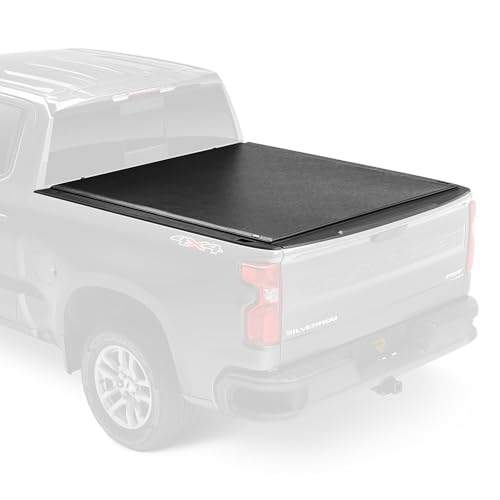
Clearance Measurements You Need Before Buying
Measure three dimensions before purchasing a bedslide and tonneau cover as a pair. First, measure the vertical clearance from the bed floor to the underside of your cover when closed and latched at the bed’s midpoint. Second, note the bedslide’s deck height plus any raised edges or cargo stops in the manufacturer’s specs. Third, check the bedslide’s retracted length to confirm it won’t block the cover’s front latch or tension adjuster.
If you already own one accessory and plan to add the other, take these measurements with the existing piece installed. A bedslide sitting on a spray-in bedliner may rise a half-inch higher than the same model on a bare metal bed, and that difference can matter if your cover’s clearance is already tight.
Most manufacturers publish clearance specs, but real-world sag under weather or load can reduce the actual gap. If the numbers are close, contact both manufacturers with your truck’s year, make, and bed length to confirm compatibility before ordering.

Cover Styles That Work Best with Bedslides
Soft roll-up covers and low-profile tri-fold models offer the most universal compatibility with bedslides because they create minimal interior intrusion when closed. Hard folding covers also work well as long as the panel stack doesn’t overhang the bed floor when folded open.
Retractable covers — both soft and hard — provide excellent clearance since the cover material retracts into a canister mounted at the cab end of the bed. The canister itself rarely interferes with a bedslide’s retracted position, though you should verify the canister’s footprint doesn’t block the slide’s rearmost locking position.
Hinged and One-Piece Lids
One-piece hinged covers and fiberglass lids can work with bedslides, but the lid must open fully vertical or past vertical to avoid limiting the slide’s extension. If the lid props at a 45-degree angle when open, it may block the bedslide from pulling all the way forward, defeating the accessory’s purpose.
Pairing a Bedslide and Tonneau Cover on Your Truck
A bedslide and tonneau cover enhance your truck’s utility in complementary ways — one simplifies cargo access, the other protects and conceals your load. The two accessories work together seamlessly as long as you verify clearance before buying, install the bedslide first, and follow the proper opening sequence each time you access the bed.
Measure carefully, check manufacturer compatibility notes, and choose a cover style that suits how you load and unload your truck. Once both are installed, the combination becomes part of your daily routine with minimal extra effort.
Common Questions About Bedslides and Tonneau Covers
No. You must open or retract the tonneau cover before extending the bedslide. Attempting to slide the platform while the cover is closed will jam the mechanism or damage the cover fabric, especially with soft covers that lack rigid support.
Not in most cases, as long as the bedslide doesn't physically contact or modify the cover. Check your cover's warranty terms for exclusions related to aftermarket bed accessories. If the bedslide causes the cover to stretch, tear, or fail due to clearance issues, that damage typically isn't covered.
Tall cargo on a bedslide will prevent the tonneau cover from closing fully unless the cargo fits within the available vertical clearance. You'll need to either remove tall items, transport them with the cover open, or choose a cover that allows partial closure around taller loads.
No. The bedslide stays in place during tonneau cover installation. Cover clamps and rails mount to the bed sidewalls, while the bedslide bolts to the bed floor, so the two accessories occupy different mounting zones and don't interfere with each other during setup.
Yes. Most bedslides include a pin or latch to lock the platform in the retracted position, and most tonneau covers feature tailgate-area locks or clamps. Locking both adds two layers of security, though the cover's lock is your primary theft deterrent since it conceals the bedslide and its cargo from view.
Sagging fabric or a warped hard panel will eventually wear against the bedslide's deck, creating friction, noise, and potential damage to both accessories. If you notice contact between the cover and slide, check the cover's tension adjusters, support bows, or mounting hardware for looseness or damage, and address the sag before it worsens.