
How to Adjust Tension on Your TruXedo Tonneau Cover: Fixing Sag, Wrinkles & Water Pooling
A loose or sagging TruXedo cover doesn't just look bad—it collects water, flaps in the wind, and wears out faster than a properly tensioned one. Most TruXedo soft roll-up models use adjustable tension controls built into the side rails, and re-tightening them takes about fifteen minutes with basic hand tools.
We wrote this guide to walk you through the exact steps for tensioning your TruXedo cover, whether you're dealing with minor fabric sag after a few seasons of use or fixing a brand-new install that never seated quite right. The process is the same across most TruXedo soft covers, including the Lo Pro, TruXmart, and Sentry models.
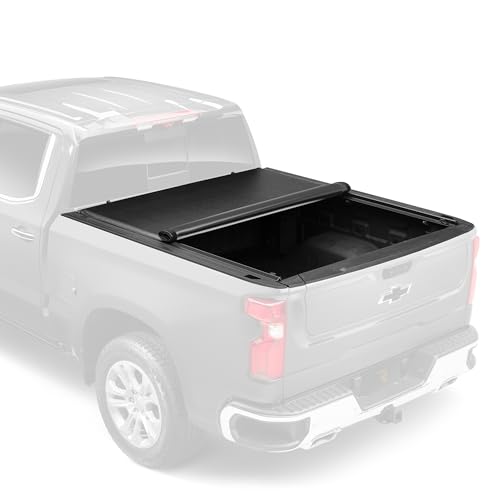
Why TruXedo Covers Lose Tension Over Time
Vinyl stretches with heat cycles and UV exposure—that’s true for every soft tonneau cover, not just TruXedo. The difference is TruXedo builds adjustable tension control into the rail clamps so you can compensate for stretch without replacing parts.
Most owners notice sag after six to twelve months of daily sun exposure, especially if the truck sits outdoors year-round. Water pooling in the center of the cover is the first visible sign that tension has dropped below the factory setting. If you also struggle with carwash compatibility concerns, low tension makes that worse—loose fabric catches more spray force and pulls harder against the clamps.
The good news: TruXedo’s tension system resets in minutes, and you don’t need to remove the cover from the truck to do it.
Tools You'll Need and Where to Find the Adjustment Points
Grab a 10mm socket or wrench and a flathead screwdriver—that’s the entire toolkit for most TruXedo models. Some newer TruXmart covers use Phillips-head screws instead, so check your rail caps before you start.
The tension adjusters live inside the side rail assemblies, one on each side of the bed near the cab end. Pop off the plastic end cap on each rail by prying gently with the flathead—don’t yank it, because the cap snaps onto two small tabs that break if you pull sideways. Once the cap is off, you’ll see the tension bolt head recessed about half an inch into the rail.
If your cover is a tri-fold hard model instead of a soft roll-up, this guide doesn’t apply—hard covers use hinge tension, not fabric tension. Our breakdown of roll-up versus tri-fold designs explains the structural differences if you’re not sure which type you own.
Step-by-Step: Tightening the Tension Bolts
Start with the Cover Fully Unrolled and Latched
Unroll the cover completely and latch it at the tailgate—you can’t judge proper tension if the fabric is bundled. Make sure the side rails are seated flush against the bed rail caps; if they’re sitting crooked, loosen the C-clamps underneath and re-center the rails before you touch the tension bolts.
Turn Each Bolt a Quarter-Turn at a Time
Insert your 10mm socket into the rail and turn the tension bolt clockwise—righty-tighty. Don’t crank it down in one motion. Turn it a quarter turn, then walk to the other side of the truck and turn that bolt the same amount. Alternating sides keeps the fabric centered and prevents one rail from pulling harder than the other.
After each pair of quarter-turns, run your hand across the center of the cover. You’re looking for firm, drum-tight tension with no low spots. If the fabric still sags, repeat the quarter-turn cycle until the sag disappears.
Stop Before You Over-Tighten
The tension bolt will start to resist when the fabric reaches maximum tightness. Don’t force it past that point—over-tensioning rips the fabric grommets or bends the rail frame. If the cover still sags after the bolts reach firm resistance, the fabric itself may be permanently stretched and need replacement.
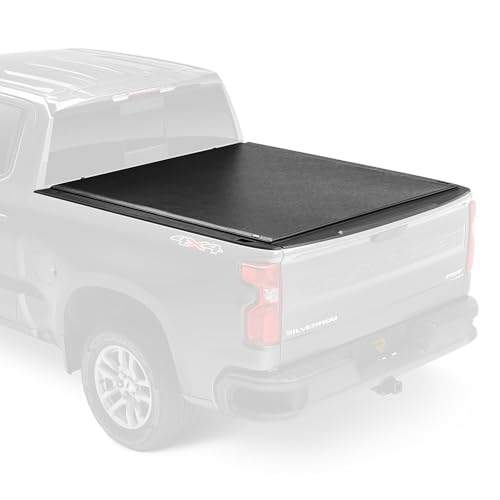
Fixing Wrinkles and Uneven Tension After Adjustment
Wrinkles running parallel to the rails usually mean one side is tighter than the other. Loosen the tighter side by a quarter turn and check again—perfectly even tension on both rails makes wrinkles disappear.
Wrinkles running front-to-back across the bed indicate the cover was installed with the fabric bunched at one end. You’ll need to loosen both tension bolts completely, pull the fabric taut toward the tailgate by hand, then re-tighten both bolts evenly from scratch. This is easier with a second person holding the fabric while you adjust.
If the cover looks tight but still pools water in one spot, that spot is lower than the rest of the bed. Check your bed rails for damage or check whether cargo has dented the bed floor—tonneau covers can’t fix an uneven bed, only sit on top of it.

When to Clean or Replace Instead of Adjusting Tension
Dirt and grime buildup along the rails can mimic loose tension by creating drag when you unroll the cover. Before you start turning bolts, wipe down the side rails and the fabric edges with a damp microfiber cloth—sometimes that’s all it takes to restore smooth operation.
If the fabric has visible cracks, permanent creases that won’t flatten, or tears near the grommets, no amount of tension adjustment will fix it. TruXedo sells replacement fabric kits that install onto your existing rail hardware, which costs less than a full new cover. Maintaining the vinyl with regular cleaning extends its life—our guide on restoring faded tonneau covers covers conditioning treatments that slow UV degradation and keep the fabric flexible longer.
Latches that won’t hold even after tension adjustment usually indicate a bent striker plate or a latch assembly that’s come loose from its mounting bolts. Check the tailgate-end latch hardware for play or misalignment before assuming the fabric is the problem.
Maintaining Proper Tension Keeps Your TruXedo Cover Working
Learning how to adjust tension on your TruXedo tonneau cover adds years to its usable life and keeps it looking tight instead of saggy. The adjustment itself is simple—quarter-turn cycles on both side rails until the fabric sits drum-tight—but doing it every few months before the sag gets severe prevents permanent stretching you can’t undo.
If you’ve adjusted the tension fully and the cover still won’t tighten, it’s time to inspect the fabric and hardware for damage rather than forcing the bolts tighter. Most TruXedo covers give a decade of service when the tension is maintained and the vinyl is kept clean, so fifteen minutes twice a year is a small investment for that kind of durability.
Common Questions About TruXedo Tension Adjustments
Most owners adjust tension once or twice a year, usually after summer heat causes the vinyl to stretch. If you park in direct sun daily or live in a hot climate, check tension every three to four months.
You'll know it's time when water starts pooling instead of running off, or when the fabric sags visibly in the middle. Catching it early prevents permanent stretch that can't be adjusted out later.
Yes—the entire adjustment happens with the cover installed and latched. You only need to pop off the small plastic end caps on each side rail to access the tension bolts.
Removing the cover would actually make tension adjustment harder, because you need the fabric anchored at both ends to judge proper tightness.
If the bolt stops turning but the fabric still sags, the vinyl has stretched beyond what the adjuster can compensate for. At that point you need a replacement fabric kit, not more tension.
If the bolt feels stripped or spins without resistance, the internal threading may be damaged. TruXedo sells replacement tension assemblies, but that's rare—most bolts last the life of the cover if you don't over-tighten them.
No—side rail leaks come from gaps between the rail weather seal and the bed rail, not from loose fabric tension. Tension adjustment only affects how tight the vinyl sits across the bed opening.
If water is getting in along the rails, check that the drain tubes aren't clogged and that the foam seals inside the rails haven't compressed flat. You may need to add adhesive weather stripping to fill the gap.
The bolt-based tension system works the same across TruXedo Lo Pro, TruXmart, Sentry, and most other soft roll-up models. Hard folding covers like the Sentry CT don't use fabric tension adjustments—they have panel hinge tension instead.
If your model has a different adjustment method, the instruction manual that came with the cover will specify the steps. The side-rail bolt approach is TruXedo's standard for soft covers.
The bolt will suddenly get much harder to turn, and the fabric may start to pull away from the side rail mounting points. If you see the grommets distorting or the rail frame bowing outward, you've gone too far.
Back the bolt off by half a turn on each side and check again. Proper tension feels drum-tight but doesn't strain the hardware or warp the rails.