
How to Make a Tonneau Cover Look New: Restoring Faded Vinyl, Cleaning Hard Covers & Fixing Dull Hardware
A tonneau cover that's spent months or years exposed to sun, road grime, and weather can lose its fresh-off-the-shelf appearance faster than most truck accessories. Vinyl develops a chalky haze, hard covers show water spots and oxidation, and aluminum rails fade to a dull gray.
Restoring that like-new look doesn't require professional detailing or expensive tools. We'll walk you through the exact products and techniques that bring back depth to faded materials, remove stubborn stains, and protect your cover so it stays looking sharp between washes.
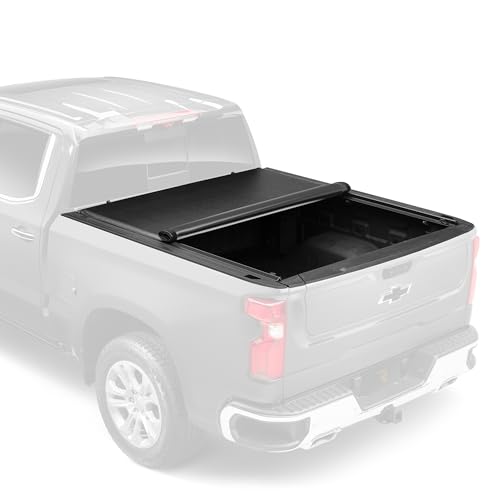
Clean the Surface Before You Treat It
Any restoration work starts with removing the layer of dirt, pollen, and road film that’s built up on the cover. Use a hose to rinse loose debris, then wash the entire surface with a pH-neutral automotive soap and a soft microfiber mitt.
Avoid dish detergent or household cleaners — they strip protective coatings and can leave residue that interferes with the products you’ll apply next. Rinse thoroughly and let the cover air-dry completely before moving to the next step.
Soft Covers Need Gentle Agitation
For vinyl or canvas soft covers, work in small sections and use light pressure. Scrubbing too hard can push grit into the weave and cause micro-scratches. If you’re working with a roll-up or tri-fold design, roll-up vs tri-fold tonneau covers have slightly different panel seams where dirt collects, so pay attention to the edges where fabric meets the frame.
Restore Faded Vinyl with a UV Protectant
Vinyl soft covers lose color and develop a white, chalky oxidation layer after prolonged sun exposure. A dedicated vinyl restorer brings back the original black or charcoal finish and adds a protective barrier against future UV damage.
Apply the product with a foam applicator pad, working it into the material in overlapping circles. Let it sit for the time specified on the bottle — usually five to ten minutes — then buff off any excess with a clean microfiber towel.
Choose a Non-Greasy Formula
Some vinyl dressings leave a slick, shiny finish that attracts dust and looks unnatural. Look for a matte or satin-finish protectant designed for automotive vinyl. Reapply every four to six weeks if the truck is parked outdoors regularly.
Polish Hard Covers to Remove Oxidation and Water Spots
Hard tonneau covers made from fiberglass, aluminum, or ABS plastic develop a cloudy, oxidized finish when clear coatings break down. An automotive polish formulated for painted or gel-coat surfaces removes the damaged layer and exposes fresh material underneath.
Work in two-foot sections, applying polish with a foam pad and using moderate pressure in straight, overlapping passes. Wipe away residue with a microfiber towel, then inspect the surface under direct light to check for remaining haze.
Follow Up with a Sealant or Wax
Once the cover is polished, apply a synthetic sealant or carnauba wax to lock in the shine and add a hydrophobic layer that helps water bead off. This step also makes future cleaning easier, since dirt and road spray won’t bond as tightly to a sealed surface.
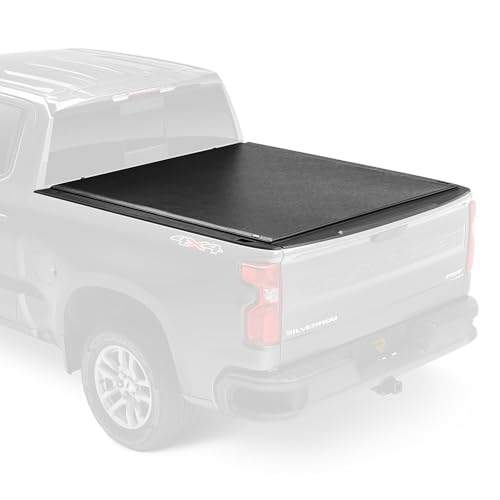
Clean and Restore Aluminum Rails and Hardware
The aluminum side rails, latches, and mounting clamps on most tonneau covers oxidize to a dull, whitish-gray finish over time. A metal polish designed for bare aluminum removes oxidation and restores the original brushed or polished appearance.
Apply a small amount of polish to a clean rag and rub it into the aluminum in circular motions. The polish will turn black as it lifts oxidation. Buff the area clean with a fresh towel, then repeat if any cloudiness remains.
Protect Bare Aluminum from Future Corrosion
After polishing, coat the rails with a clear metal protectant or a thin layer of spray wax. This creates a barrier that slows oxidation and keeps the aluminum looking bright between cleanings. Avoid products labeled for chrome or stainless steel — they’re formulated for different metals and may leave streaks on aluminum.

Address Stubborn Stains and Mildew on Soft Covers
Vinyl and canvas covers stored in humid climates or left wet for extended periods can develop mildew spots that look like dark blotches or fine speckling. A mix of one part white vinegar to four parts water applied with a soft brush lifts most mildew without damaging the fabric.
Spray the solution onto the affected area, let it sit for five minutes, then scrub gently and rinse with clean water. For persistent stains, a dedicated fabric cleaner designed for marine vinyl often works better than general-purpose cleaners.
If you frequently run your truck through automated washes, check the cover for soap buildup along seams and hinge points — residue left behind can cause discoloration over time. Carwash-safe tonneau covers still benefit from a manual rinse after each automated wash to clear soap from crevices.
Keeping Your Cover Looking Sharp Between Deep Cleans
A tonneau cover that looks new doesn’t require weekly detailing sessions or specialty tools you’ll use once and forget. Regular washing, the right restorer for your cover’s material, and a protective layer applied every few weeks keep the finish sharp and the hardware corrosion-free.
Most fading and discoloration happens gradually, so the best time to start a maintenance routine is before the cover looks worn. A quick wipe-down after every few washes and a UV protectant reapplication once a month prevent the kind of deep oxidation that takes hours to reverse. If you’re still deciding whether a tonneau cover fits your truck setup, reasons truck owners choose one often come down to cargo protection and fuel efficiency — but keeping it looking good long-term depends on following the steps above.
Common Questions About Restoring Tonneau Covers
Wash the cover every two to four weeks if the truck is driven regularly or parked outdoors. Apply a UV protectant or sealant every four to six weeks for soft covers, and every eight to twelve weeks for hard covers.
Frequency depends on your climate and how much direct sun the cover gets. Trucks in desert or coastal environments need more frequent treatment than those garaged in moderate climates.
No — soft vinyl covers need a protectant designed for flexible materials, while hard covers require a polish and sealant formulated for rigid painted or gel-coat surfaces. Using the wrong product can leave streaks, cause discoloration, or reduce the cover's weather resistance.
Always check the product label to confirm it's safe for your cover's specific material before applying it.
Restorers and polishes improve surface appearance by removing oxidation and restoring color, but they don't repair physical damage. Deep scratches in hard covers may need wet sanding and repainting, while torn vinyl typically requires a patch kit or panel replacement.
For minor surface scratches on hard covers, a rubbing compound followed by polish can reduce their visibility, but won't eliminate them completely.
Park in shade or use a truck cover when possible, and reapply UV protectant regularly to maintain the barrier against sun damage. Washing the cover frequently also removes contaminants that accelerate fading.
If long-term outdoor parking is unavoidable, applying a ceramic coating designed for automotive vinyl or paint provides stronger UV resistance than traditional protectants.
No — bleach and ammonia-based cleaners damage vinyl, fade color, and break down protective coatings on both soft and hard covers. Stick to pH-neutral automotive soaps and dedicated vinyl or paint care products.
Household cleaners may appear to work at first, but they cause long-term degradation that shortens the cover's lifespan and makes future restoration more difficult.
Let the cover air-dry in the open position, or use a clean microfiber drying towel to blot away standing water. Avoid rubbing the towel back and forth, especially on soft covers, since that can push dirt particles into the material and cause scratches.
Never close a wet cover — trapped moisture promotes mildew growth and can cause seams to stick or hardware to corrode.